Why Nitric Stopped Asking One AI Agent to Do Everything: Lessons for SMB DevOps
Introduction
In the rapidly evolving landscape of DevOps, small to medium-sized businesses (SMBs) are increasingly turning to AI agents to streamline their operations. Yet, as they venture into this promising domain, they often stumble upon a critical challenge: the overburdening of a single AI agent. This issue can lead to inefficiencies and potential failures in DevOps processes.
This blog delves into the lessons learned from Nitric's decision to stop relying on one AI agent to handle everything. By distributing tasks across multiple agents, SMBs can enhance their operational efficiency and reduce failures. This piece will guide you through understanding the limitations of a single AI agent and provide tactical strategies for optimal deployment.
Background/Context
The adoption of AI in DevOps is no longer a distant dream — it's now a tangible reality for many SMBs. According to a report by The New Stack, Nitric, a tech company with a small engineering team, initially relied heavily on a single AI agent for various tasks. However, the strain on this one agent led to frequent alerts and inefficiencies, proving that an overloaded AI system can be as detrimental as beneficial (The New Stack).
Industry reports highlight a growing trend: AI agents being used not just for mundane tasks but for critical decision-making processes. This calls for a paradigm shift in how SMBs structure their AI deployment. The need for specialized AI agents that can handle specific tasks efficiently is becoming ever more apparent.
Main Problem/Challenge
The core issue stems from a deeply ingrained misconception: the belief that a single AI agent can efficiently handle a myriad of tasks. However, this approach often results in overtaxing the system, leading to inefficiencies and even system failures.
For instance, an SMB using a singular AI agent for both data analysis and customer support might face delays in response times and inaccurate data insights. This not only affects operational efficiency but also customer satisfaction. Furthermore, when the agent is tasked with complex problem-solving alongside routine processes, it can lead to increased error rates and service disruptions.
This challenge manifests in several pain points:
- Performance Bottlenecks: With too many tasks, AI agents can become slow, affecting overall system performance.
- Increased Error Rates: Multitasking increases the likelihood of errors, undermining the reliability of AI-driven processes.
- Limited Scalability: A single AI agent can't scale effectively to meet growing business demands.
Solution/Approach
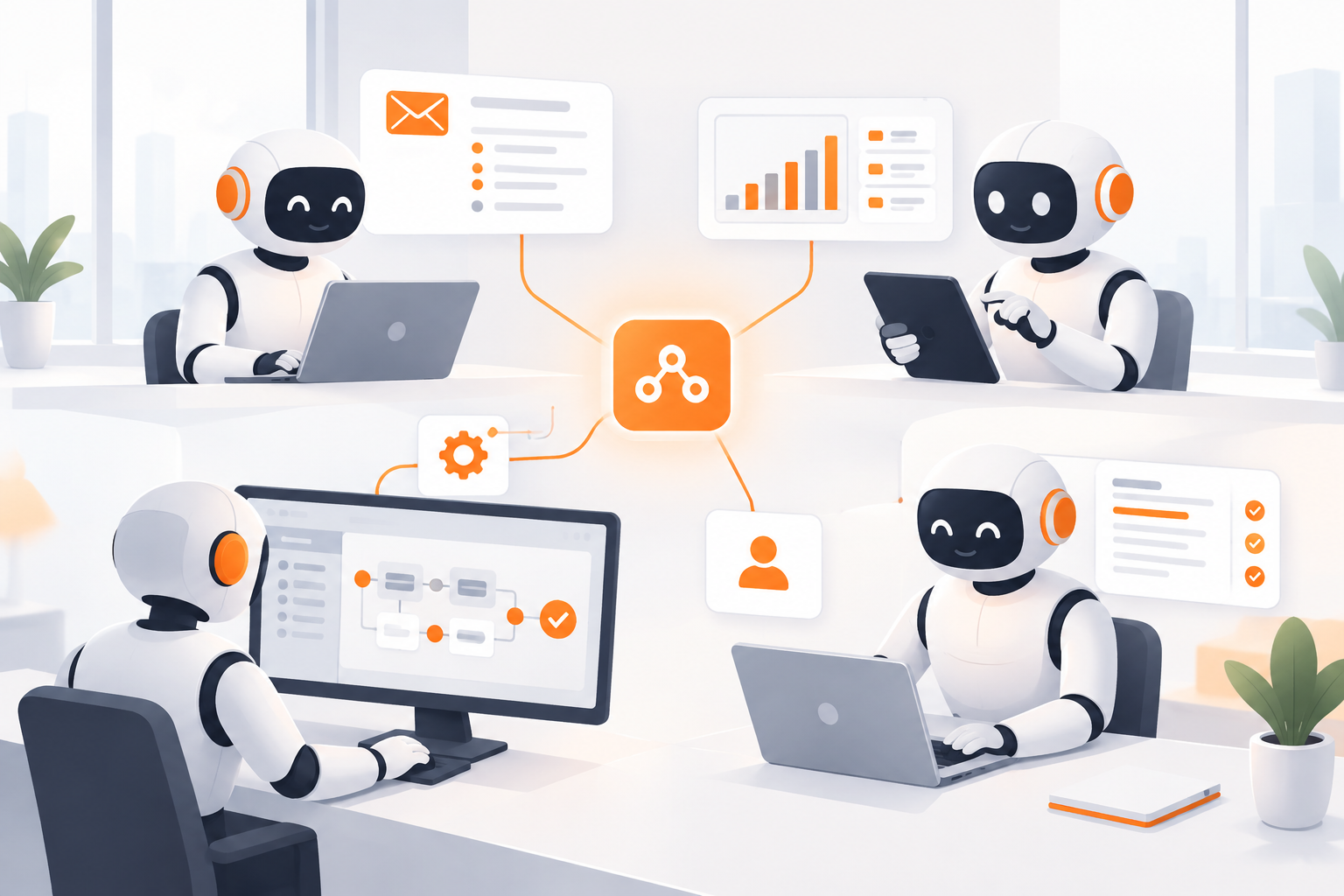
To tackle these challenges, SMBs must adopt a multi-agent system approach. By distributing tasks across specialized AI agents, businesses can significantly enhance their operational efficiency.
Step-by-Step Guidance
-
Task Analysis: Begin by analyzing and categorizing tasks based on complexity and priority. Identify tasks that can be automated and assign them to dedicated AI agents.
-
Agent Specialization: Develop or acquire AI agents with specialized capabilities. For instance, deploy one agent for data processing and another for customer interaction.
-
Integration and Testing: Integrate these agents into your existing systems and conduct thorough testing to ensure smooth inter-agent communication and task execution.
-
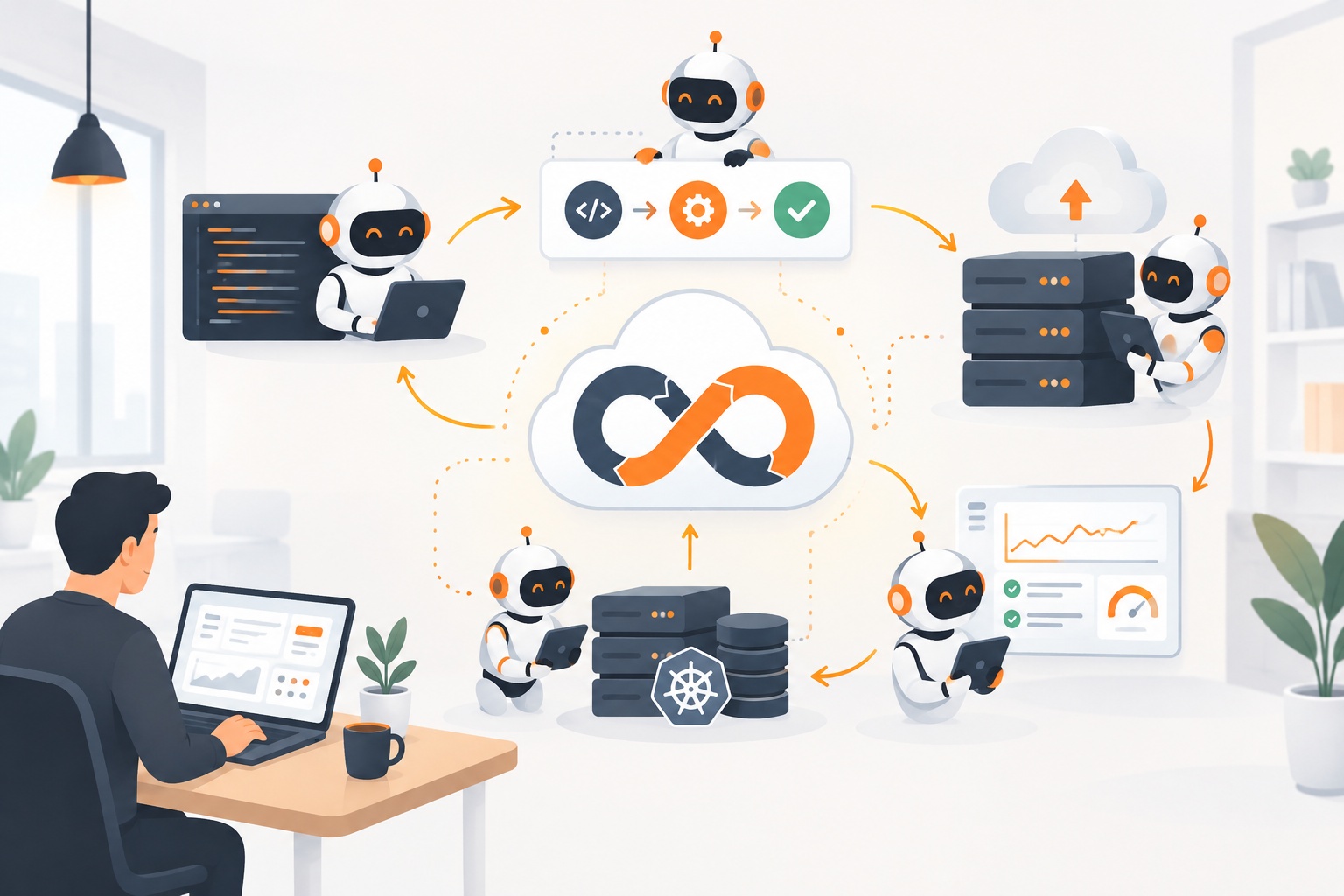
Continuous Monitoring: Set up continuous monitoring to assess the performance of each AI agent. Utilize dashboards for real-time insights and make adjustments as needed.
Best Practices
- Modular Deployment: Deploy AI agents in a modular fashion to allow easy upgrades and scalability.
- Feedback Loops: Implement feedback loops to adapt AI agent functions based on performance metrics and user feedback.
Coffield.io Connection
Coffield.io provides a robust platform to facilitate this transition for SMBs. With features like agentic DevOps pipelines, SMBs can automate workflows efficiently without the need to overburden a single AI agent.
Specific Features
- Custom Dashboards: Monitor and manage multiple AI agents through custom dashboards, offering real-time insights and performance metrics.
- SaaS Stack Consolidation: Consolidate various SaaS tools through Coffield.io, reducing the complexity of managing multiple systems and enhancing integration.
- LLM Token Cost Reduction: Optimize costs by effectively managing LLM tokens across multiple agents, ensuring budget-friendly operations.
By leveraging Coffield.io's solutions, SMBs can achieve a return on investment through improved operational efficiencies and reduced AI management costs.
FAQ Section
What are AI agents?
AI agents are software programs that perform tasks autonomously. They are designed to handle repetitive tasks, make decisions, and process data efficiently, thereby freeing up human resources for more complex tasks.
Why is it risky to rely on a single AI agent?
Relying on a single AI agent can lead to performance bottlenecks, increased error rates, and limited scalability. When an agent is tasked with too many responsibilities, it can become overwhelmed, leading to inefficiencies and potential system failures.
How can Coffield.io help in deploying multiple AI agents?
Coffield.io provides tools and features that facilitate easy deployment and management of multiple AI agents. The platform offers custom dashboards for monitoring, SaaS consolidation, and cost optimization, which help streamline operations and maximize efficiency.
What are the benefits of using specialized AI agents?
Specialized AI agents can handle specific tasks efficiently, reducing the likelihood of errors and performance issues. This specialization allows for better task management and scalability, improving overall operational efficiency.
How do custom dashboards enhance AI agent management?
Custom dashboards provide real-time insights into the performance of each AI agent, allowing for quick adjustments and optimization. They enable SMBs to monitor multiple agents simultaneously, ensuring seamless operation and reduced management complexity.
Conclusion with CTA
The shift from a singular AI agent to a multi-agent approach is crucial for SMBs looking to enhance their DevOps efficiency. By understanding the limitations of overburdening a single AI agent and strategically deploying specialized agents, businesses can achieve greater reliability and performance.
To explore how Coffield.io can help you implement these strategies and more, Schedule a Demo today and transform your DevOps processes.