Understanding and Mitigating Database Sprawl with AI Agents in DevOps
Introduction
In the fast-evolving landscape of technology, AI agents have emerged as a crucial asset for SMBs looking to enhance their DevOps processes. However, with their increasing adoption, a new challenge has surfaced: database sprawl. This phenomenon can lead to inefficiencies and increased costs—factors that are particularly critical for SMBs operating with limited resources. As businesses integrate more AI agents into their workflows, understanding and mitigating the risks of database sprawl becomes essential. In this post, we will explore how AI agents contribute to this issue and how Coffield.io offers solutions to streamline database management for SMBs.
Background/Context
The rise of AI agents in DevOps has been nothing short of transformative. These agents automate repetitive tasks, enhance decision-making processes, and improve overall efficiency. According to recent studies, over 70% of SMBs are likely to integrate AI into their operations by the end of 2025. However, this rapid integration has led to a new set of challenges, particularly database sprawl. Traditionally, databases were expanded based on the volume of data they needed to handle. Now, the issue is not just about the size but the number of databases, each serving a specific function initiated by different AI agents (The New Stack). This shift requires new strategies to manage these proliferations effectively.
Main Problem/Challenge
Database sprawl occurs when multiple databases are created for individual applications or instances without a cohesive management strategy. For SMBs, this can lead to several issues:
- Increased Costs: Managing multiple databases can lead to higher operational costs, both in terms of storage and management.
- Data Silos: Each database may contain isolated information, making it difficult to get a comprehensive view of the organization's data.
- Complex Management: More databases mean more complexity, which can overwhelm IT teams, particularly in SMBs with limited staff.
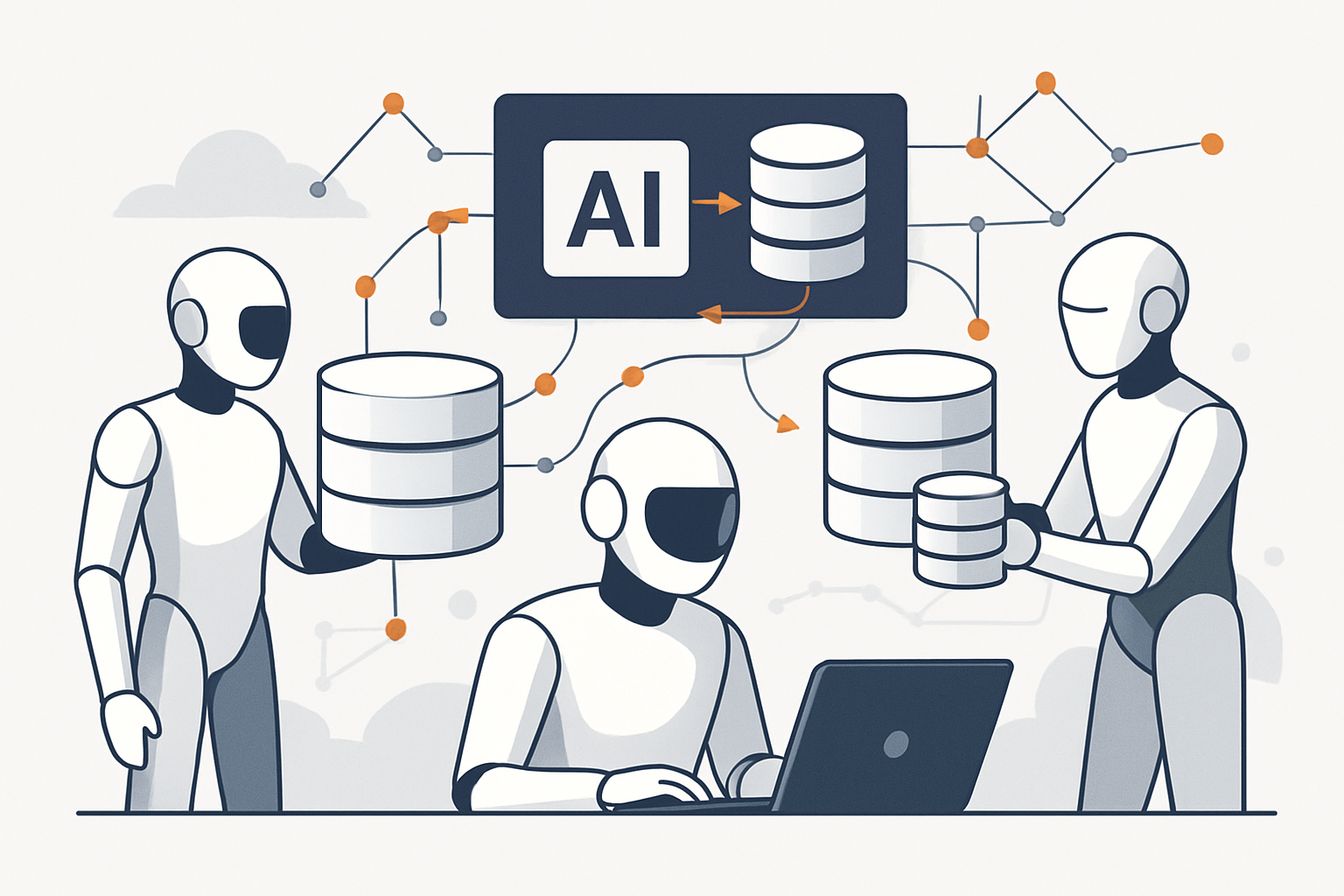
These problems can be exacerbated by AI agents, which often create databases for specific tasks or processes, leading to a fragmented data environment. For example, a small marketing firm using AI agents to track campaign performance might end up with separate databases for each campaign, making comprehensive data analysis challenging.
Solution/Approach
Mitigating database sprawl requires a strategic approach to database management. Here are some steps SMBs can take:
- Centralized Data Strategy: Implement a centralized data management strategy that consolidates databases where possible. This reduces redundancy and improves data accessibility.
- Regular Audits: Conduct regular audits of your database landscape to identify and eliminate unnecessary databases.
- AI-Driven Management Tools: Utilize AI-driven database management tools to automate the consolidation and optimization of data storage.
- Best Practices for AI Agents: Establish guidelines for AI agents to ensure they don’t create unnecessary databases.
Coffield.io provides solutions that help SMBs implement these strategies effectively. Our platform offers tools for agentic DevOps automation and workflow optimization, ensuring that your AI agents are used efficiently without contributing to database sprawl.
Coffield.io Connection
Coffield.io is at the forefront of providing solutions that tackle database sprawl head-on. Here's how we help SMBs:
- Agentic DevOps Pipelines: Streamline the deployment of AI agents to ensure they're creating value without unnecessary overhead.
- LLM Token Cost Reduction: Optimize your AI operations by reducing the cost associated with large language models, ensuring cost-effective operations.
- SaaS Stack Consolidation: Replace redundant SaaS applications with AI agents to reduce complexity and improve data integration.
- Workflow Automation: Automate and optimize workflows to ensure your databases are managed effectively, reducing sprawl.
By leveraging Coffield.io, SMBs can not only mitigate the risks associated with database sprawl but also realize significant ROI through improved efficiency and reduced costs. Schedule a Demo to see how Coffield.io can transform your DevOps operations.
FAQ Section
-
What is database sprawl?
- Database sprawl refers to the uncontrolled proliferation of databases within an organization, often leading to inefficiencies and increased costs. This is particularly challenging for SMBs with limited resources.
-
How do AI agents contribute to database sprawl?
- AI agents can inadvertently create separate databases for different tasks. Without proper management, these can proliferate, leading to data silos and increased complexity.
-
What strategies can SMBs use to combat database sprawl?
- SMBs can implement centralized data management, conduct regular audits, use AI-driven management tools, and establish guidelines for AI agent deployment.
-
How does Coffield.io help in managing database sprawl?
- Coffield.io provides tools for agentic DevOps automation, LLM token optimization, and SaaS stack consolidation, helping SMBs streamline their database management processes.
-
What are the benefits of addressing database sprawl?
- Addressing database sprawl leads to cost savings, improved data accessibility, and reduced complexity, enabling SMBs to operate more efficiently.
Conclusion with CTA
As AI continues to play a pivotal role in the evolution of DevOps, understanding the risks of database sprawl becomes crucial for SMBs. By implementing strategic management practices and leveraging Coffield.io's robust solutions, businesses can effectively mitigate these risks, enhancing their operational efficiency and driving growth. Don't let database sprawl hold you back—Schedule a Demo today and discover how Coffield.io can transform your business operations.