Streamlining SMB Operations with AI Agents: Embracing the New Era of Business Tool Optimization
Introduction
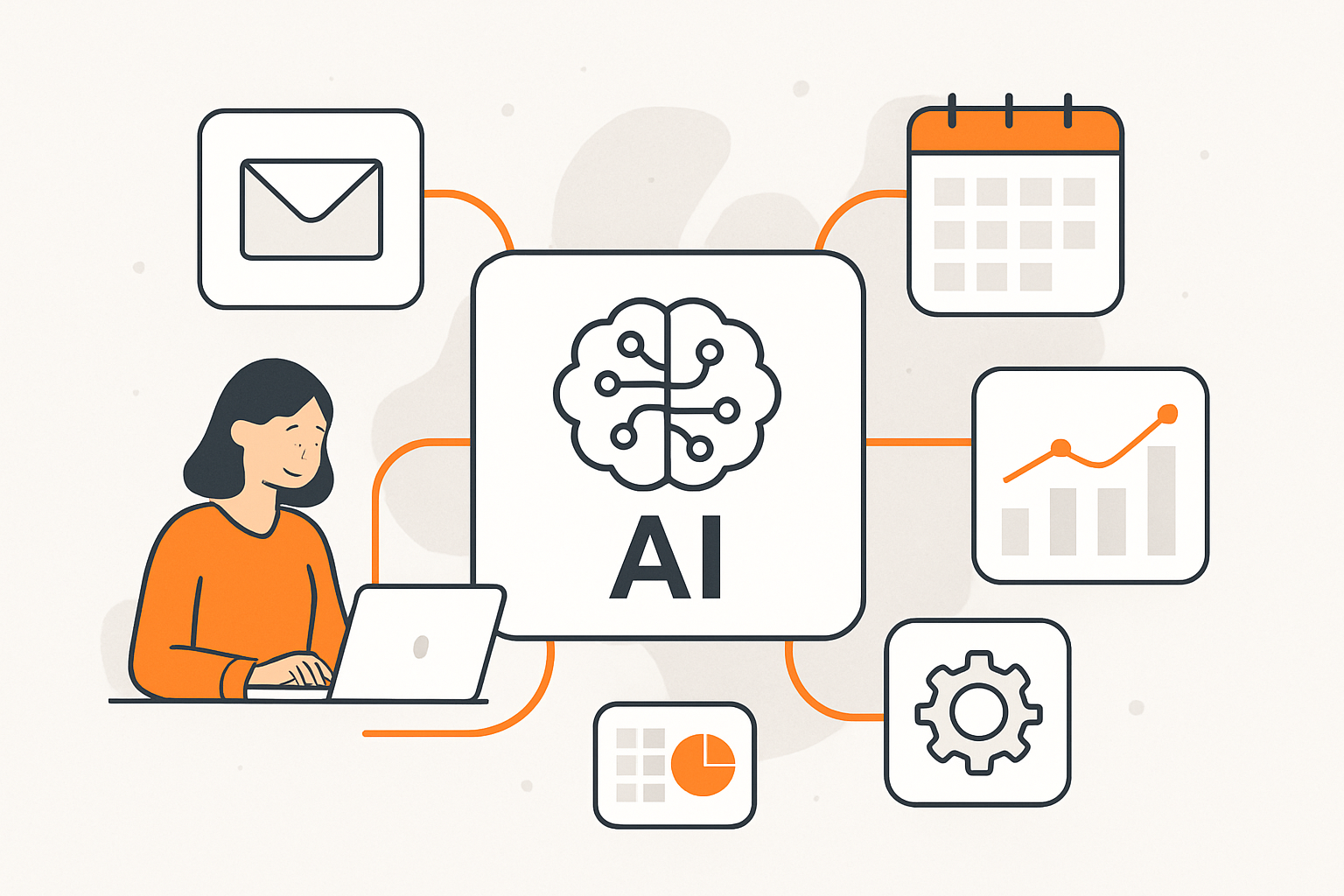
In today's fast-paced business landscape, small-to-medium businesses (SMBs) are constantly seeking ways to optimize their operations while keeping costs in check. The emergence of AI agents offers a compelling solution to this challenge. By replacing legacy SaaS applications, AI agents streamline business operations, enhance efficiency, and reduce operational complexity. This blog post explores the transformative potential of AI-native workflows and operational efficiencies that AI agents provide. You will learn how these technologies can revolutionize your business processes, ensuring you stay competitive in an ever-evolving market.
Background/Context Section
The business ecosystem is undergoing a significant transformation, driven by advancements in AI and machine learning. AI agents, which leverage sophisticated algorithms to automate tasks, are increasingly becoming a staple in businesses aiming to enhance productivity. According to a report by Oracle, AI-native solutions are streamlining enterprise app development, offering seamless integration and scalability. Moreover, Cloudflare's open-source debugger for privacy protocols highlights the increasing reliance on AI agents to handle complex tasks, signifying a shift towards AI-centric workflows.
Main Problem/Challenge Section
For SMBs, the challenge lies in managing a plethora of legacy SaaS tools that often lack integration, leading to inefficient workflows and escalating costs. For example, a small retail business might use separate applications for inventory management, sales tracking, and customer relationship management (CRM), resulting in data silos and redundant processes. These inefficiencies not only drain resources but also create bottlenecks that hinder growth. Additionally, maintaining multiple software licenses and ensuring compatibility across platforms can be cumbersome and costly. Such challenges underscore the need for a more cohesive, AI-driven approach to business operations.
Solution/Approach Section
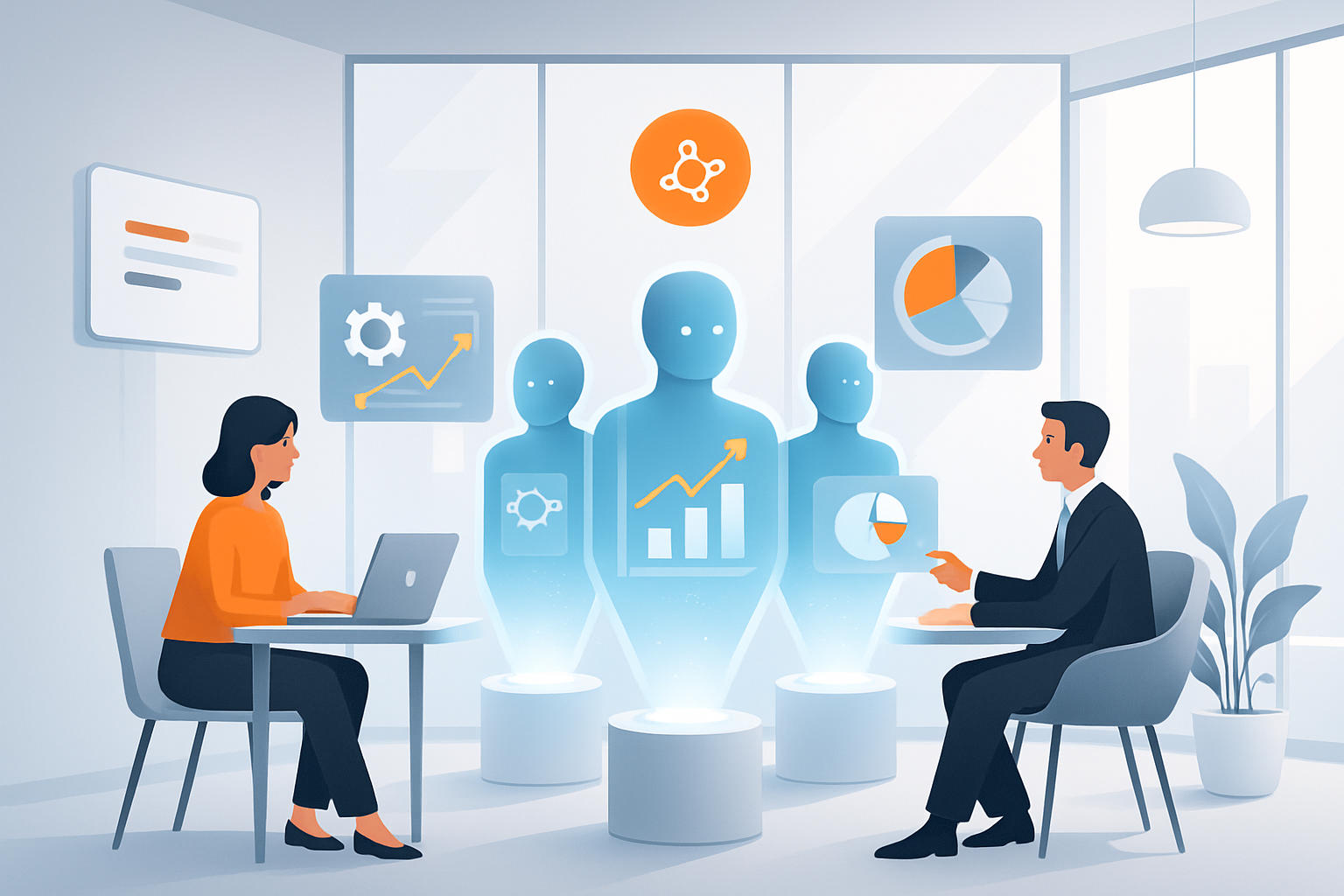
AI agents offer a robust solution to these challenges by centralizing and automating business processes. By leveraging agentic DevOps pipelines, SMBs can replace disparate SaaS tools with AI-driven solutions that integrate seamlessly across operations. Here's a step-by-step approach to implementing AI agents effectively:
-
Identify Redundant Processes: Conduct an audit of your current tool stack to identify redundancies and inefficiencies. Look for tasks that could benefit from automation, such as data entry or report generation.
-
Select AI-Compatible Tools: Choose AI-native tools that align with your business needs. Platforms like Coffield.io provide customizable dashboards that integrate AI agents across various functions, from inventory to CRM.
-
Pilot and Iterate: Start with a pilot program to test the integration of AI agents within your existing workflows. Gather feedback and iterate to refine the implementation.
-
Training and Support: Invest in training your team to work alongside AI agents, ensuring they understand how to leverage these tools for maximum efficiency.
-
Measure and Optimize: Continuously monitor performance metrics to assess the impact of AI agents on your business operations. Use this data to optimize processes further.
Coffield.io Connection
Coffield.io specializes in providing SMBs with agentic DevOps solutions that streamline business operations through AI agents. Our platform focuses on LLM token cost reduction, SaaS stack consolidation, and advanced workflow automation. With Coffield.io, SMBs can leverage AI agents to automate repetitive tasks, freeing up resources to focus on strategic initiatives. Our custom dashboards offer real-time insights, enabling businesses to make data-driven decisions that enhance ROI.
For SMBs, implementing Coffield.io's solutions means achieving a more agile, efficient operation with reduced overheads. Real-world applications of our platform have shown significant improvement in operational efficiency, with businesses reporting up to a 30% reduction in tool-related costs.
To explore how Coffield.io can transform your business operations, Schedule a Demo today.
FAQ Section
-
What are AI agents, and how do they work? AI agents are software entities that perform automated tasks based on algorithms and machine learning models. They can analyze data, make decisions, and execute workflows with minimal human intervention, thus enhancing operational efficiency.
-
Can AI agents fully replace my current SaaS tools? While AI agents can replace many functions of traditional SaaS tools, integration with some existing systems may still be necessary. The goal is to minimize redundancy and maximize efficiency through strategic implementation.
-
How does Coffield.io optimize LLM token usage? Coffield.io uses advanced algorithms for prompt optimization and intelligent model routing, ensuring efficient token use and reducing costs associated with language model operations.
-
What ROI can I expect from implementing AI agents? Businesses using AI agents report increased efficiency, lower operational costs, and improved decision-making capabilities. ROI varies based on the extent of implementation but often results in significant operational savings.
Conclusion with CTA
AI agents represent a new frontier in business tool optimization, offering SMBs a path to reduced costs and enhanced efficiency. By embracing AI-native workflows, businesses can streamline operations and stay competitive in a dynamic market. To harness the full potential of AI agents for your business, consider partnering with Coffield.io. Schedule a Demo today and begin your journey towards operational excellence.