How Retrieval Engineering Can Safeguard Your AI Agent Deployment
Introduction
In the rapidly evolving technological landscape, AI agents are becoming an essential part of many businesses' operations. As companies strive to harness the power of AI, they often face the challenge of managing scalability without causing disruptions. This is where retrieval engineering comes into play, providing a robust solution to ensure smooth scaling and deployment of AI agents. For SMB CTOs, understanding and implementing retrieval engineering can be the key to unlocking seamless AI integration and maximizing ROI. This blog post will delve into the intricacies of retrieval engineering and how Coffield.io can optimize this process for small to medium-sized businesses.
Background/Context
The shift towards AI-driven operations is undeniable, with businesses across industries leveraging AI agents to automate tasks, reduce costs, and enhance efficiency. According to The New Stack, the adoption of AI agents is growing at an unprecedented rate, with smarter models and better tool utilization being key drivers of this trend source. However, the focus on scaling these agents often leaves businesses grappling with complex deployment challenges. Simplifying these processes through retrieval engineering not only streamlines integration but also fortifies the infrastructure against potential failures.
Main Problem/Challenge
While AI agents promise significant operational benefits, their deployment is not without its hurdles. Many SMBs encounter issues such as data retrieval bottlenecks, compatibility constraints, and model inaccuracies that can lead to inefficient processes and increased costs. For instance, a small e-commerce firm might deploy an AI chatbot to handle customer inquiries but find that data retrieval lags significantly slow down response times, leading to customer dissatisfaction. These issues underscore the critical need for a structured approach to retrieval engineering, which ensures that AI agents operate efficiently and effectively.
Furthermore, small businesses often lack the resources to continuously monitor and update AI systems, leading to stagnant or degraded performance over time. The pain points are clear: deployment delays, increased operational costs, and the risk of AI models failing to meet business needs. Understanding these challenges is the first step to overcoming them and reaping the full benefits of AI technology.
Solution/Approach
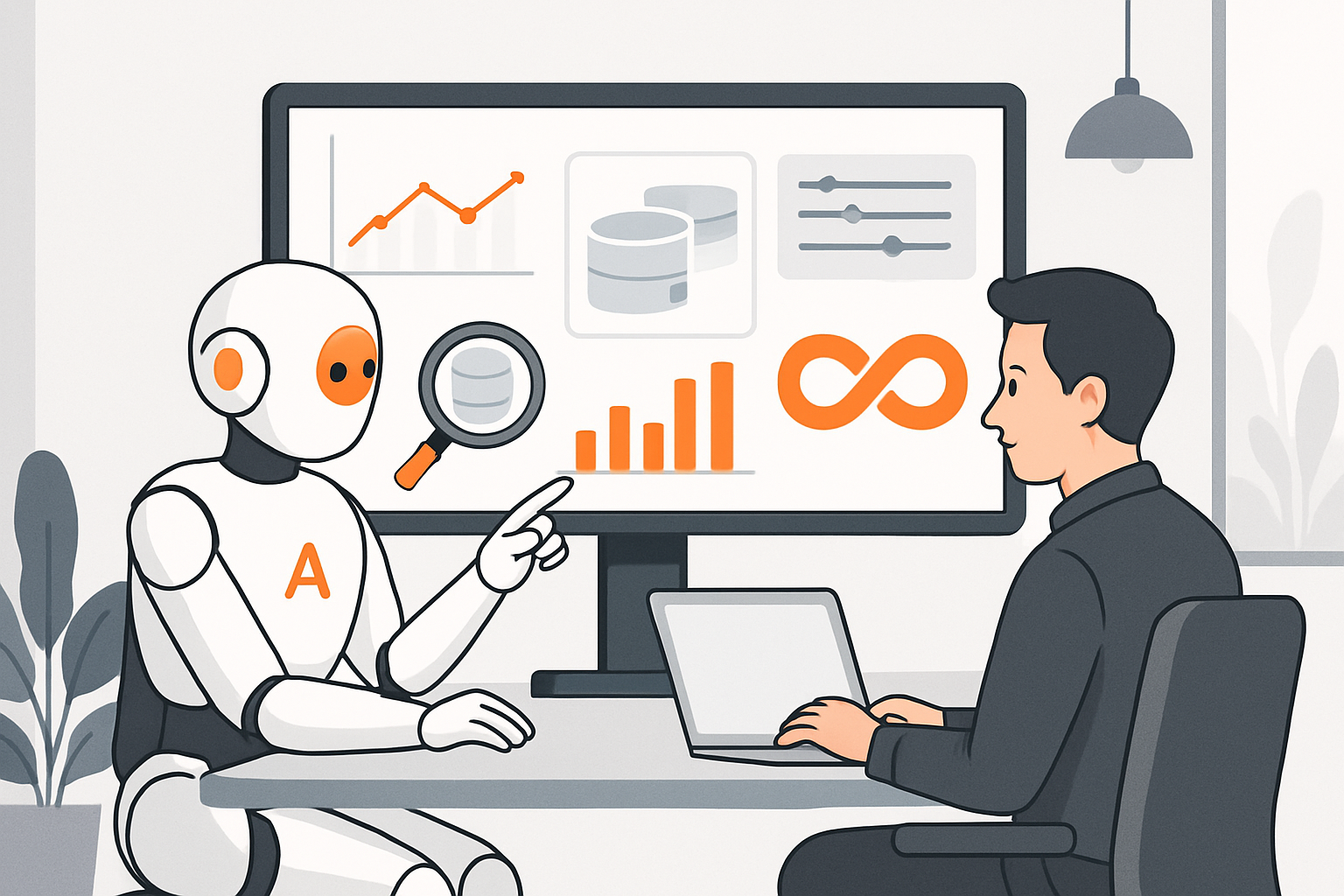
Retrieval engineering offers a robust framework to address these challenges by optimizing the way AI agents access and utilize data. It involves designing efficient data pipelines, ensuring compatibility across systems, and refining model performance. The process starts with an in-depth analysis of the existing data infrastructure to identify bottlenecks and inefficiencies. Next, businesses can implement streamlined data retrieval mechanisms, such as using advanced indexing techniques or integrating intelligent caching systems to reduce latency.
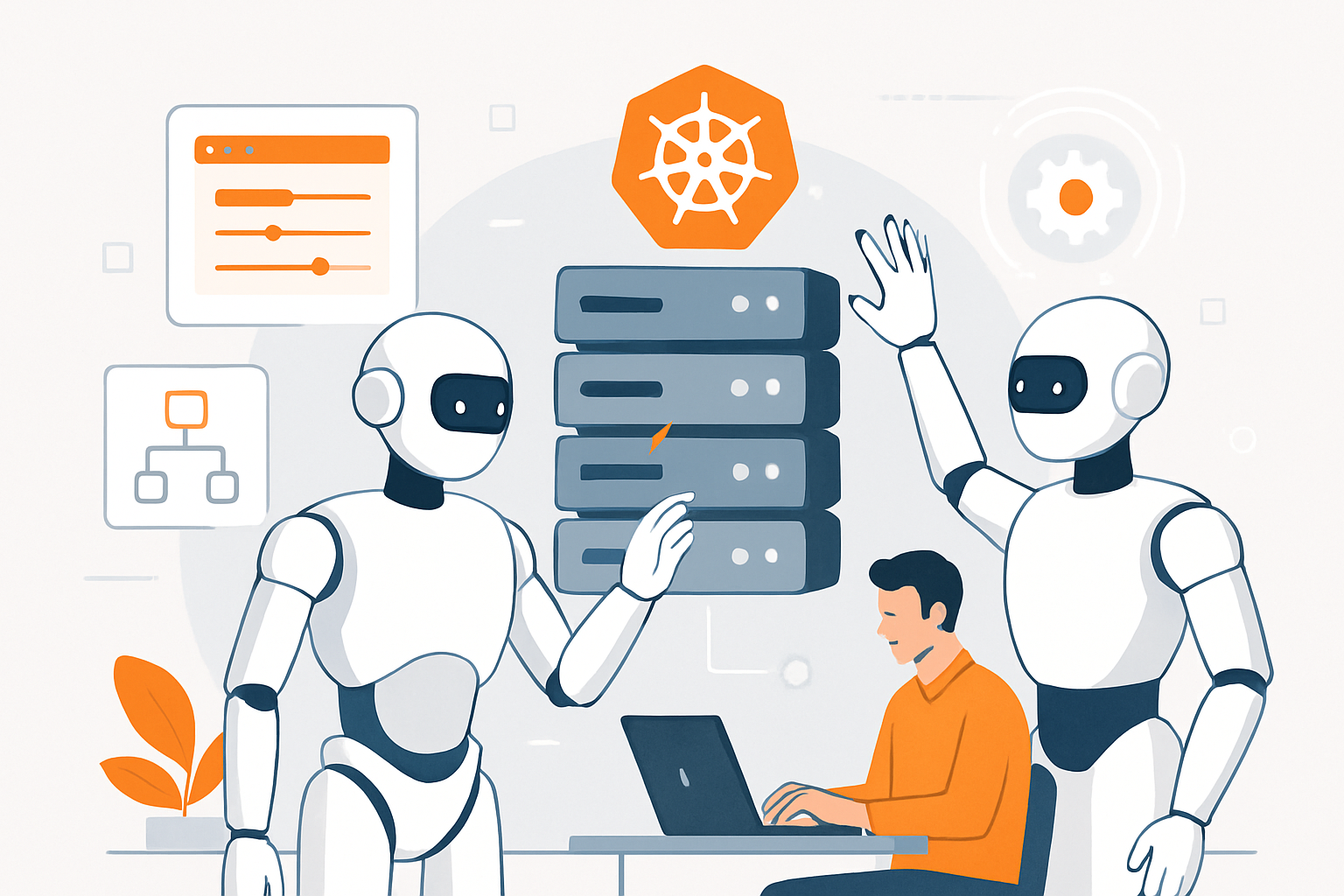
Best practices in retrieval engineering also include leveraging cloud-native services to enhance scalability and reliability. For example, implementing serverless architectures can dynamically allocate resources based on demand, thereby reducing costs while maintaining performance. Moreover, regular audits and updates to AI models are crucial to ensure they evolve with changing business needs and technological advancements.
Coffield.io Connection
Coffield.io stands at the forefront of optimizing agentic DevOps, providing SMBs with tailored solutions to enhance their AI deployment strategies. By integrating Coffield.io's features, businesses can achieve significant improvements in retrieval engineering. Our platform offers advanced tools for SaaS stack consolidation, allowing businesses to replace legacy systems with AI-driven solutions that are more efficient and cost-effective.
Moreover, Coffield.io's workflow automation capabilities ensure seamless integration of AI agents into existing processes, enhancing overall operational efficiency. Our custom dashboards provide real-time insights into AI performance, enabling businesses to proactively address any issues and maximize ROI. With tools designed for LLM token cost optimization, SMBs can also reduce the financial burden associated with AI deployments. To discover how Coffield.io can transform your AI operations, Schedule a Demo.
FAQ Section
Q1: What is retrieval engineering, and why is it important for SMBs?
Retrieval engineering involves optimizing data access and utilization for AI agents, ensuring efficient and scalable operations. For SMBs, this is crucial to prevent disruptions and maximize the benefits of AI integration.
Q2: How can Coffield.io help with AI agent deployment?
Coffield.io provides tools for workflow automation, SaaS consolidation, and real-time performance monitoring, all of which enhance the efficiency and reliability of AI agent deployments.
Q3: What are common challenges in deploying AI agents?
SMBs often face data retrieval bottlenecks, model inaccuracies, and compatibility issues. Retrieval engineering addresses these by streamlining data pipelines and enhancing system compatibility.
Q4: How can SMBs ensure AI models remain effective over time?
Regular audits and updates, leveraging cloud-native services, and using platforms like Coffield.io for real-time monitoring and optimization can help maintain AI model effectiveness.
Conclusion with CTA
Incorporating retrieval engineering into your AI strategy can significantly enhance the deployment and scalability of AI agents, particularly for SMBs striving for efficiency and cost-effectiveness. Coffield.io offers the tools and insights necessary to optimize these processes and achieve operational excellence. Ready to transform your AI operations? Schedule a Demo with Coffield.io today and start your journey towards seamless AI integration.