How AI Agents are Revolutionizing Kubernetes for SMBs
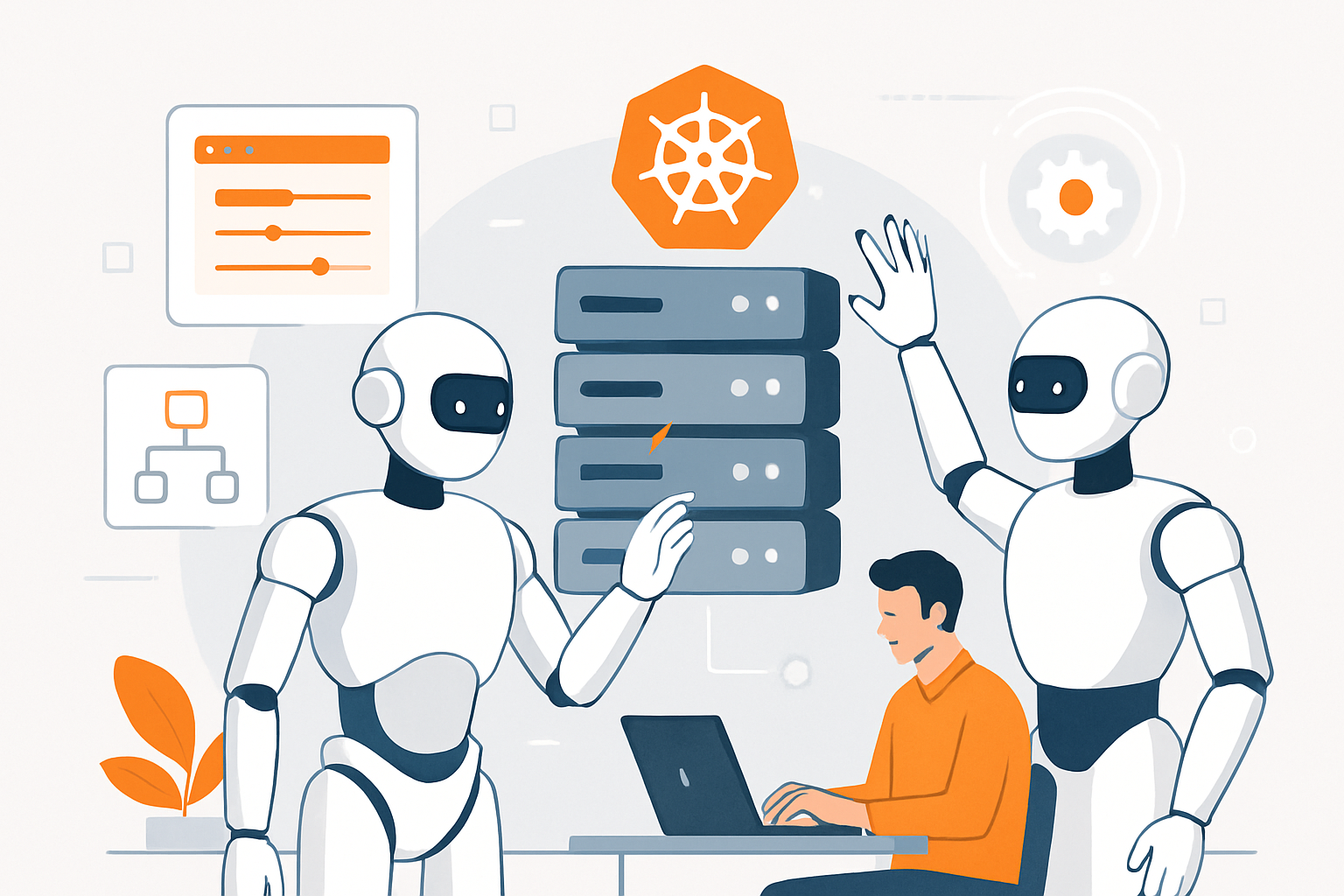
How AI Agents are Transforming Kubernetes to Handle Increased Workloads
Introduction
The era of digital transformation has ushered in a myriad of technological advancements, with Kubernetes emerging as a cornerstone for DevOps strategies across various industries. Yet, as businesses pivot towards more automated processes, the demand on Kubernetes infrastructures has intensified. AI agents are now pivotal in evolving Kubernetes' capabilities, especially in managing increased automation requests. This evolution is not just a trend; it is a necessity for SMBs aiming to remain competitive and efficient. In this blog post, we will delve into how AI agents are transforming Kubernetes, the challenges faced by SMBs, and how solutions like Coffield.io can bolster agentic DevOps efficiency.
Background/Context
Kubernetes has been a game-changer for DevOps, enabling scalable and efficient management of containerized applications. However, with AI agents turning one request into approximately 20, the traditional Kubernetes framework must evolve to handle these demands. This shift is crucial, given that SMBs are increasingly adopting automation to streamline operations and cut costs. According to The New Stack, Kubernetes is undergoing enhancements to accommodate these AI-induced workloads, aiming to maintain performance without compromising on efficiency. These changes reflect industry trends where more than 75% of businesses are expected to adopt AI-driven solutions by 2025.
Main Problem/Challenge
For SMBs, the integration of AI agents within Kubernetes environments presents several challenges. The primary issue is the sheer volume of requests AI agents generate, escalating resource consumption and necessitating advanced management strategies. This surge can lead to bottlenecks, particularly in environments lacking adequate infrastructure or expertise. For example, an SMB using Kubernetes to manage their CI/CD pipeline may experience delays if their system is not optimized for AI workloads. Furthermore, the lack of specialized knowledge to configure and maintain such systems can hinder the full benefits of automation and scalability that Kubernetes and AI agents offer.
Common Pain Points
- Resource Management: AI agents significantly increase the load on Kubernetes clusters, requiring SMBs to invest in more robust infrastructure or risk performance degradation.
- Lack of Expertise: Many SMBs struggle with the technical complexities of integrating AI with Kubernetes, leading to inefficient deployments and increased operational costs.
- Scalability Issues: Without proper scaling strategies, SMBs may find their Kubernetes environments unable to cope with increased AI-driven requests, impacting overall business operations.
Solution/Approach
Addressing these challenges requires a strategic approach that balances infrastructure enhancement with intelligent automation. The evolution of Kubernetes to support AI agents involves adopting advanced scheduling algorithms, resource management tools, and monitoring solutions.
Step-by-Step Guidance
- Infrastructure Optimization: Start by assessing your current Kubernetes setup. Identify bottlenecks and upgrade resources as necessary to handle increased workloads.
- Intelligent Scheduling: Implement AI-driven scheduling algorithms to optimize resource allocation and ensure high-priority tasks receive necessary attention.
- Advanced Monitoring: Use monitoring tools that provide real-time insights into system performance, aiding in proactive issue resolution and system optimization.
- Training and Education: Invest in training for your IT team to ensure they are equipped to manage the complexities of AI integration within Kubernetes.
Best Practices
- Prioritize High-Impact Workloads: Focus your resources on tasks that directly contribute to business goals.
- Automate Routine Tasks: Use AI agents to handle repetitive tasks, freeing up your team to focus on strategic initiatives.
- Continuously Optimize: Regularly review system performance data to refine your approach and improve efficiency.
Coffield.io Connection
Coffield.io offers a suite of solutions tailored to enhance the integration of AI agents within Kubernetes environments for SMBs. Our platform supports agentic DevOps pipelines, providing tools that streamline workflow automation and optimize resource management.
Key Features
- Agentic DevOps Pipelines: Automate and manage complex DevOps tasks with ease, reducing manual intervention and enhancing operational efficiency.
- LLM Token Cost Reduction: Optimize language model token usage to cut costs while maintaining high-quality AI outputs.
- SaaS Stack Consolidation: Replace expensive and disparate tools with an integrated solution that offers comprehensive functionality.
- Custom Dashboards: Gain insights and control over your processes with customizable dashboards that align with your business needs.
By leveraging Coffield.io, SMBs can achieve tangible ROI through increased efficiency, reduced operational costs, and streamlined processes. Schedule a Demo to explore how our solutions can transform your Kubernetes and AI strategy.
FAQ Section
How do AI agents increase Kubernetes workloads?
AI agents automate and manage tasks by generating multiple sub-tasks from a single request, vastly increasing the number of operations Kubernetes must handle.
What are the benefits of integrating AI agents with Kubernetes?
Integrated AI agents can optimize resource allocation, enhance system efficiency, and free up human resources for strategic tasks, offering significant time and cost savings.
How can SMBs manage the increased resource demands on Kubernetes?
SMBs should focus on infrastructure upgrades, adopt intelligent resource management strategies, and use advanced monitoring tools to ensure efficient operation.
How does Coffield.io support AI agent integration with Kubernetes?
Coffield.io provides agentic DevOps pipelines, optimized resource management, and automation tools that simplify the integration and management of AI agents within Kubernetes environments.
What are the long-term advantages of using AI agents in DevOps for SMBs?
Long-term benefits include improved scalability, reduced operational costs, enhanced productivity, and a competitive edge through efficient resource management.
Conclusion with CTA
AI agents are transforming the Kubernetes landscape, offering SMBs unprecedented opportunities for automation and efficiency. By embracing these technologies and leveraging solutions like Coffield.io, businesses can overcome current challenges and pave the way for future growth. Ready to unlock the full potential of AI in your DevOps strategy? Schedule a Demo today to discover how Coffield.io can help.