JetBrains' Leap into Agentic Development: A Game Changer for SMB DevOps Automation
Introduction
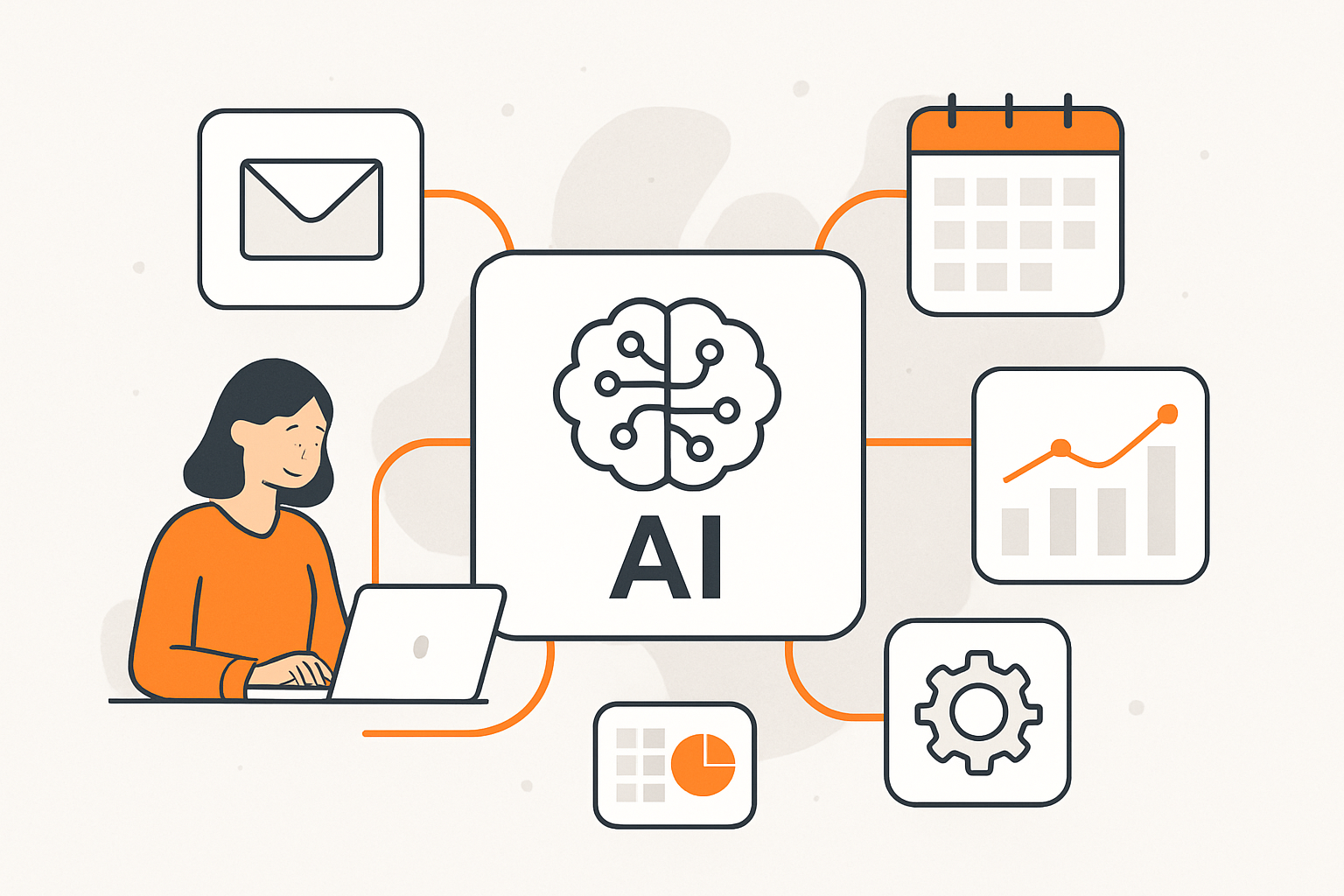
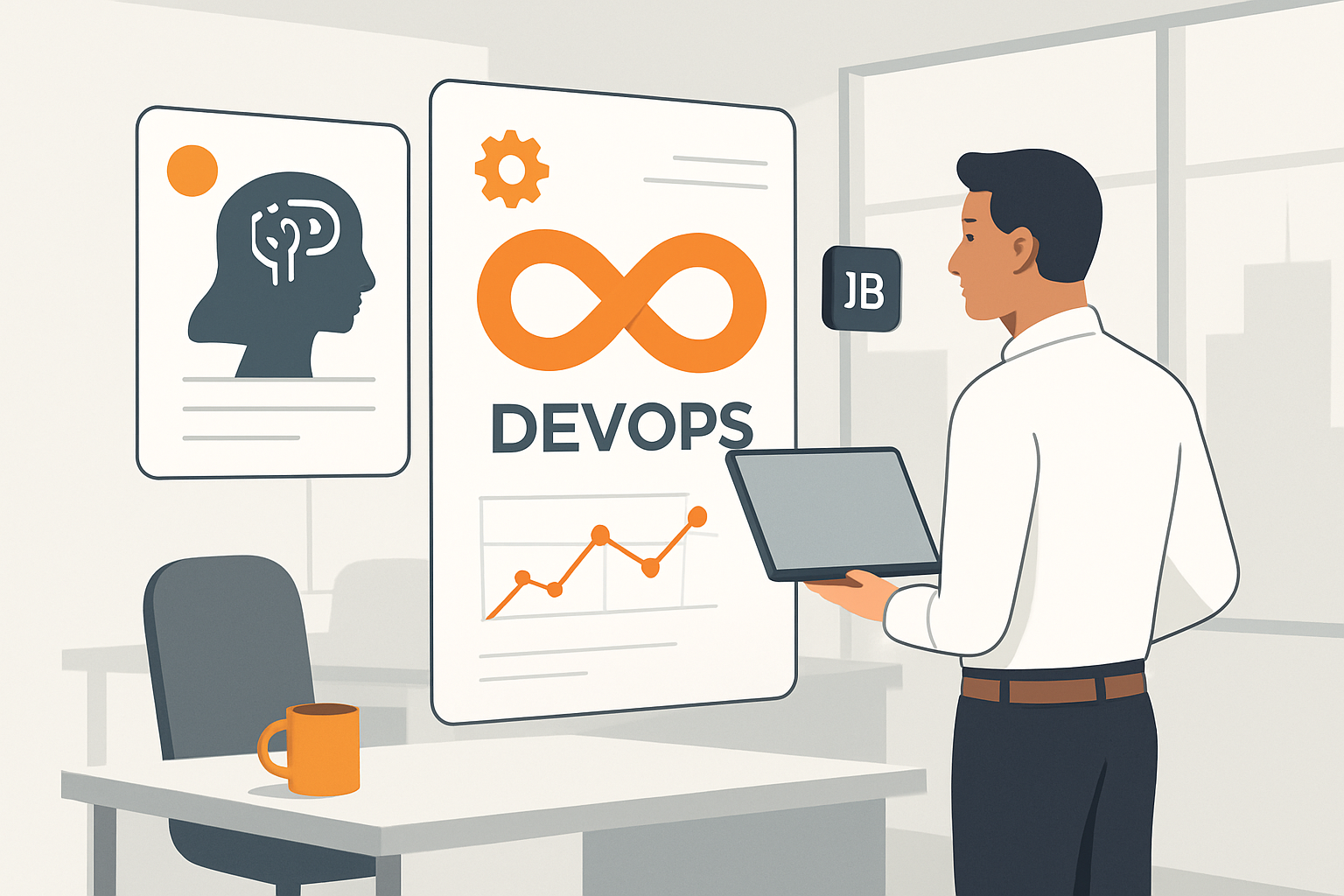
In the rapidly evolving landscape of software development, JetBrains has made a significant move towards agentic development, which promises to reshape how developers and businesses operate. This shift could be a game changer for small to medium-sized businesses (SMBs) looking to optimize their DevOps practices. With AI-driven automation becoming more prevalent, now is the perfect time for SMBs to leverage these advancements to enhance efficiency and gain a competitive edge. In this article, we will explore the implications of JetBrains' new direction and how SMBs can benefit from deploying AI agents in their DevOps processes, particularly in continuous integration/continuous deployment (CI/CD), monitoring, and code reviews.
Background/Context
JetBrains' recent announcement about their foray into agentic development marks a pivotal moment in their 26-year history. As outlined in The New Stack, this strategic shift involves substantial investments in developing AI agents that can operate within integrated development environments (IDEs). This move underscores the growing trend of embedding AI capabilities into software tools to enhance productivity and streamline operations.
The rise of AI in software development has been fueled by advances in machine learning and natural language processing, allowing AI agents to perform complex tasks traditionally handled by humans. According to industry reports, businesses that integrate AI into their operations can improve productivity by up to 40%. For SMBs, which often operate with limited resources, adopting agentic development is not just a matter of staying current; it's about survival and growth in a tech-driven market.
Main Problem/Challenge
Despite the potential benefits, SMBs face several challenges when integrating AI into their DevOps processes. One of the primary concerns is the complexity of setting up and managing AI agents. Without in-house expertise, many SMBs find it daunting to deploy such technologies effectively. The lack of scalable solutions tailored to smaller enterprises further exacerbates this challenge.
For instance, in CI/CD pipelines, AI agents can automate repetitive tasks such as building, testing, and deploying code. However, without proper configuration, businesses may encounter issues like increased lead times or deployment errors, which can negate the advantages of automation. Similarly, in monitoring, AI can enhance system observability and alerting, but poorly tuned AI systems might generate false positives, overwhelming teams with unnecessary alerts.
Code reviews present another area where AI agents can provide significant value by identifying potential bugs and suggesting improvements. Yet, the reliability of these recommendations depends heavily on the accuracy of the AI models and their integration with existing systems. SMBs often struggle to achieve the precision needed due to the high costs and complexity associated with training and maintaining these AI systems.
Solution/Approach
To overcome these challenges, SMBs can adopt a strategic approach to implementing AI agents within their DevOps workflows. Here are some actionable steps and best practices to consider:
Step 1: Start Small with Pilot Projects
Begin by identifying a specific area within your DevOps pipeline that could benefit from automation. For example, focus on automating unit tests or simple deployment tasks before expanding to more complex processes. This phased approach allows you to address teething issues without disrupting your entire workflow.
Step 2: Leverage Pre-trained Models
Utilize pre-trained AI models available through platforms like JetBrains or third-party providers. These models can be integrated into your existing infrastructure, reducing the overhead of training custom models. Ensure these models are updated regularly to maintain their effectiveness.
Step 3: Integrate with Existing Tools
Choose AI solutions that easily integrate with your current DevOps tools. Seamless integration minimizes disruptions and facilitates easier adoption across your team. Look for AI agents that can plug into popular CI/CD systems like Jenkins or GitLab, and monitoring solutions like Prometheus or Grafana.
Step 4: Continuous Feedback and Improvement
Establish a feedback loop to continually assess the performance of AI agents and make necessary adjustments. Regularly review the output of AI-driven processes to ensure they align with business goals and make refinements based on team feedback.
Coffield.io Connection
Coffield.io stands at the forefront of enabling SMBs to harness the power of agentic AI in DevOps. Our platform simplifies the deployment and management of AI agents, providing tailored solutions that address the unique needs of SMBs.
- Agentic DevOps Pipelines: Coffield.io offers customizable pipelines that streamline CI/CD processes, reducing manual intervention and enhancing operational efficiency.
- LLM Token Cost Reduction: By optimizing token usage, we help SMBs minimize costs associated with AI deployments, ensuring budget-friendly innovation.
- SaaS Stack Consolidation: Our platform integrates seamlessly with existing SaaS tools, enabling a unified approach to tool management and reducing operational silos.
- Workflow Automation: With Coffield.io, businesses can automate routine tasks, freeing up valuable resources and allowing teams to focus on strategic initiatives.
By leveraging Coffield.io, SMBs can achieve a substantial return on investment, translating AI capabilities into tangible business outcomes. Schedule a Demo today to explore how our solutions can transform your DevOps operations.
FAQ Section
What is agentic development, and how does it benefit SMBs?
Agentic development refers to the integration of AI agents into the software development lifecycle. For SMBs, this means automating repetitive tasks, enhancing productivity, and reducing costs, making it easier to scale operations.
How can AI improve CI/CD processes?
AI can automate various stages of the CI/CD pipeline, from code integration to deployment. This leads to faster release cycles, fewer errors, and reduced manual workload, allowing teams to focus on more strategic tasks.
What are the potential pitfalls of deploying AI in DevOps?
Common pitfalls include integration challenges, high initial setup costs, and maintaining AI models. It's crucial to start small, continuously monitor performance, and adjust strategies as needed to mitigate these risks.
How does Coffield.io support SMBs in adopting AI-driven DevOps?
Coffield.io provides tools and platforms that simplify the implementation of AI in DevOps, offering customizable solutions that enhance efficiency and reduce costs, tailored specifically for SMB needs.
Why should SMBs consider automating their DevOps processes now?
With the rapid advancement of AI technologies, automating DevOps processes enables SMBs to stay competitive, reduce operational costs, and focus on innovation and growth opportunities.
Conclusion with CTA
JetBrains' commitment to agentic development underscores a pivotal shift in software development, offering SMBs a glimpse into the future of AI-driven automation. By adopting these technologies, businesses can enhance their DevOps processes, improve efficiency, and gain a competitive edge. Don't miss out on the opportunity to revolutionize your operations. Schedule a Demo with Coffield.io today and discover the transformative potential of agentic AI for your business.