Choosing the Right Email Marketing Automation Tool for Your SMB in 2026

Introduction
In the rapidly evolving digital landscape of 2026, email marketing remains a cornerstone for small and medium-sized businesses (SMBs) aiming to maintain customer engagement and drive revenue. However, choosing the right email marketing automation tool can be a daunting task for SMB owners, especially with the plethora of options available. The integration capabilities of platforms like Coffield.io are pivotal in ensuring these tools not only streamline customer messaging but also enhance overall operational efficiency. This blog post will guide SMB owners through the critical considerations in selecting an email marketing automation tool and demonstrate how Coffield.io can be leveraged for optimal results.
Background/Context
Over the past few years, the landscape of email marketing has undergone significant transformations. The increasing importance of personalized communication, the rise of artificial intelligence in marketing, and the need for seamless integration with other business tools are influencing the choice of email marketing platforms. According to HubSpot, email marketing automation platforms have become the backbone of lifecycle marketing, allowing businesses to send targeted emails at scale by automating workflows and segmenting audiences. This evolution underscores the need for SMBs to adopt tools that not only fit their immediate needs but also align with their long-term strategic goals.
Main Problem/Challenge Section
For SMBs, the challenge lies in navigating the complexities of email marketing automation tools. A common pain point is the lack of integration with existing systems such as Customer Relationship Management (CRM) platforms and e-commerce solutions. This disconnect can lead to data silos, inefficiencies in campaign management, and missed opportunities for personalization. Moreover, many SMBs struggle with the cost-benefit analysis when evaluating various platforms, as costs can escalate with added features that may not be fully utilized. For example, an SMB might invest in a tool that offers advanced analytics, but without adequate integration, these insights remain underutilized, stifling potential growth.
Solution/Approach Section
To address these challenges, SMBs should prioritize email marketing automation tools that offer robust integration capabilities, user-friendly interfaces, and scalable solutions. A step-by-step approach could involve:
- Defining Your Needs: Start by identifying your business's specific requirements. Are you focusing on lead nurturing, customer retention, or both?
- Research and Compare: Utilize resources to compare features, pricing models, and customer reviews of various platforms.
- Test Integrations: Ensure potential tools integrate seamlessly with existing systems such as CRM or accounting software.
- Evaluate User Experience: Consider the learning curve associated with each tool and the level of support provided.
- Measure ROI: Implement a trial run to assess the tool's impact on your marketing objectives, analyzing metrics like open rates, click-through rates, and conversion rates.
By following these steps, SMBs can narrow down their options to tools that align with their strategic objectives, ensuring better resource allocation and improved marketing outcomes.
Coffield.io Connection
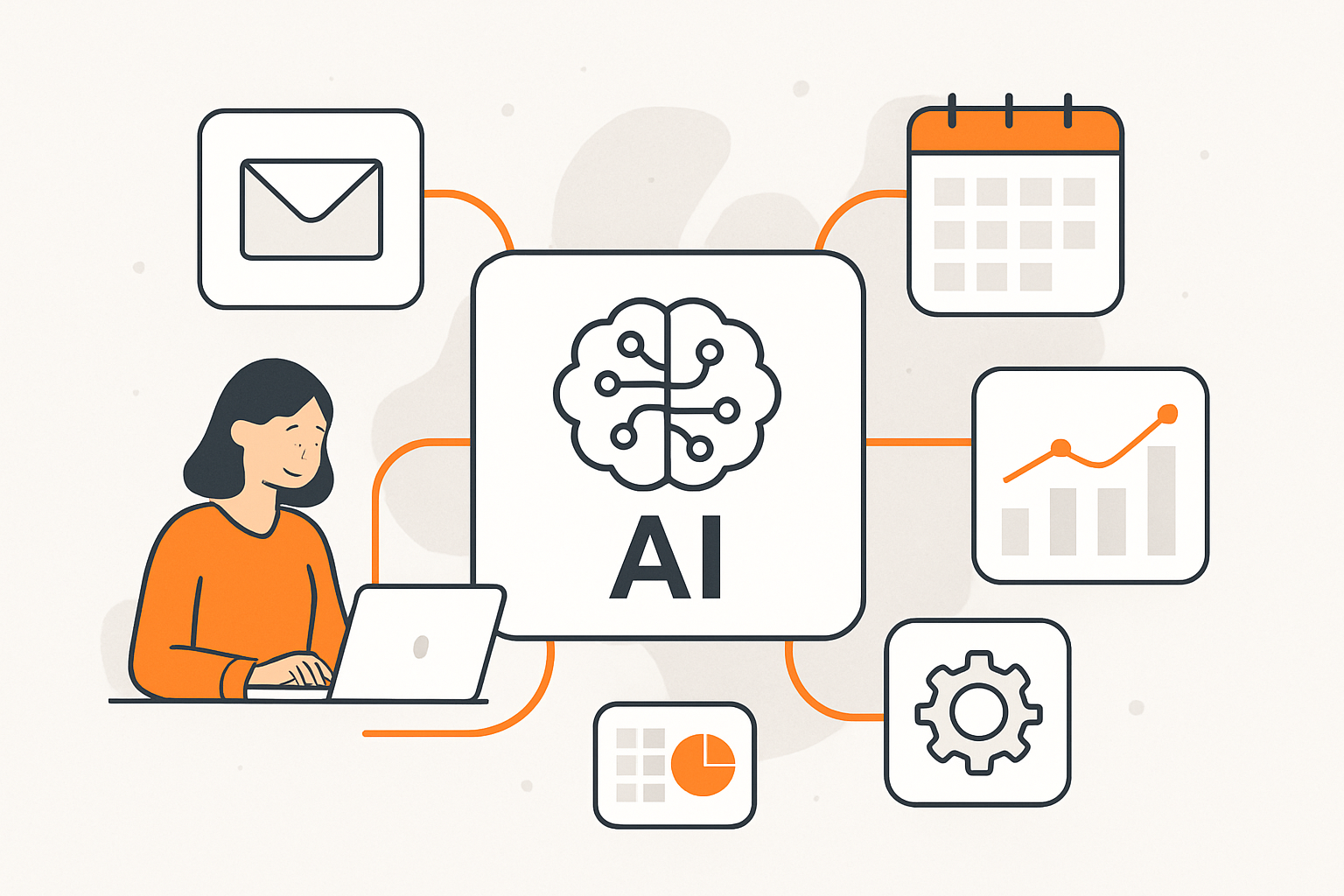
Coffield.io stands out by offering unique integration capabilities that enhance the effectiveness of email marketing automation tools. Our platform's ability to sync with QuickBooks, create custom dashboards, and automate workflows via AI agents empowers SMBs to streamline operations and optimize marketing efforts. For instance, Coffield.io's agentic AI can help segment audiences more precisely, ensuring that the right messages reach the right customers at the right time.
Additionally, Coffield.io's integration with email marketing tools can provide SMBs with real-time data insights, allowing for more informed decision-making and agile marketing strategies. Businesses can also leverage our automation features to manage customer interactions and enhance personalization, driving higher engagement rates and ultimately increasing revenue.
Schedule a Demo to explore how Coffield.io can transform your email marketing strategies.
FAQ Section
-
What features should I look for in an email marketing automation tool? When selecting a tool, prioritize features such as integration capabilities with existing systems, user-friendly interface, scalability, and robust analytics.
-
How can Coffield.io enhance my email marketing efforts? Coffield.io enhances email marketing by providing seamless integration with CRM and financial tools, enabling real-time data insights and personalized customer interactions.
-
Why is integration important in email marketing automation? Integration ensures that your marketing tool communicates effectively with other business systems, eliminating data silos and enabling a more cohesive marketing strategy.
-
Can Coffield.io help with workflow automation beyond email marketing? Yes, Coffield.io's platform supports various automation processes, from financial management to customer service, streamlining operations across your business.
Conclusion with CTA
Choosing the right email marketing automation tool in 2026 is crucial for SMBs aiming to enhance customer engagement and operational efficiency. By leveraging Coffield.io's integration capabilities, businesses can streamline their marketing efforts and drive substantial revenue growth. To see firsthand how Coffield.io can revolutionize your email marketing strategy, Schedule a Demo today.