AI Marketing Predictions for 2026: Navigating the Future with Coffield.io

AI Marketing Predictions for 2026: What SMBs Need to Know
Introduction
The future of AI in marketing is set to undergo transformative changes by 2026, revolutionizing how businesses interact with customers. For small and medium-sized businesses (SMBs), understanding these shifts is critical to maintaining a competitive edge. With customer journeys growing increasingly fragmented and customer attention spans dwindling, SMBs must adapt their marketing strategies to leverage the predictive and analytic power of AI.
In this blog post, we’ll explore the AI marketing trends set to redefine the landscape in 2026 and how Coffield.io's powerful automation and dashboard features can help SMBs navigate these changes effectively. You'll learn about the key predictions, understand the challenges they present, and discover actionable solutions to integrate AI into your marketing strategy seamlessly.
Background/Context Section
As we approach 2026, the marketing industry is on the brink of a major transformation driven by AI advancements. The current marketing landscape is riddled with challenges such as fragmented customer journeys, declining attention spans, and rising customer acquisition costs. A report by HubSpot highlights that marketers are increasingly struggling to connect with consumers in meaningful ways, resulting in decreased campaign effectiveness (source).
AI technology, with its capacity for real-time data processing and predictive analytics, promises to address these issues by offering more personalized and timely interactions with customers. By 2026, AI is expected to become an integral part of marketing, enabling businesses to anticipate customer needs and deliver highly targeted content, thus enhancing customer engagement and loyalty.
Main Problem/Challenge Section
Despite the promising future AI brings, SMBs face significant challenges in adopting these technologies. The core issue lies in the fragmented nature of customer journeys and the inability to provide a cohesive experience across multiple touchpoints. As customers interact with brands via numerous channels, from social media to in-store visits, maintaining a consistent and personalized experience becomes increasingly complex.
Many SMBs report difficulties in integrating AI into existing marketing systems due to budget constraints and a lack of technical expertise. For instance, the cost of acquiring sophisticated AI tools and the skills required to operate them can be prohibitive for smaller businesses. Additionally, SMBs often struggle with data silos, where valuable customer insights are trapped in disconnected systems, impeding their ability to form a comprehensive view of customer interactions.
Solution/Approach Section
To overcome these challenges, SMBs can leverage Coffield.io’s robust suite of tools designed to streamline AI integration into marketing strategies. Here are some actionable steps and best practices to harness AI effectively:
-
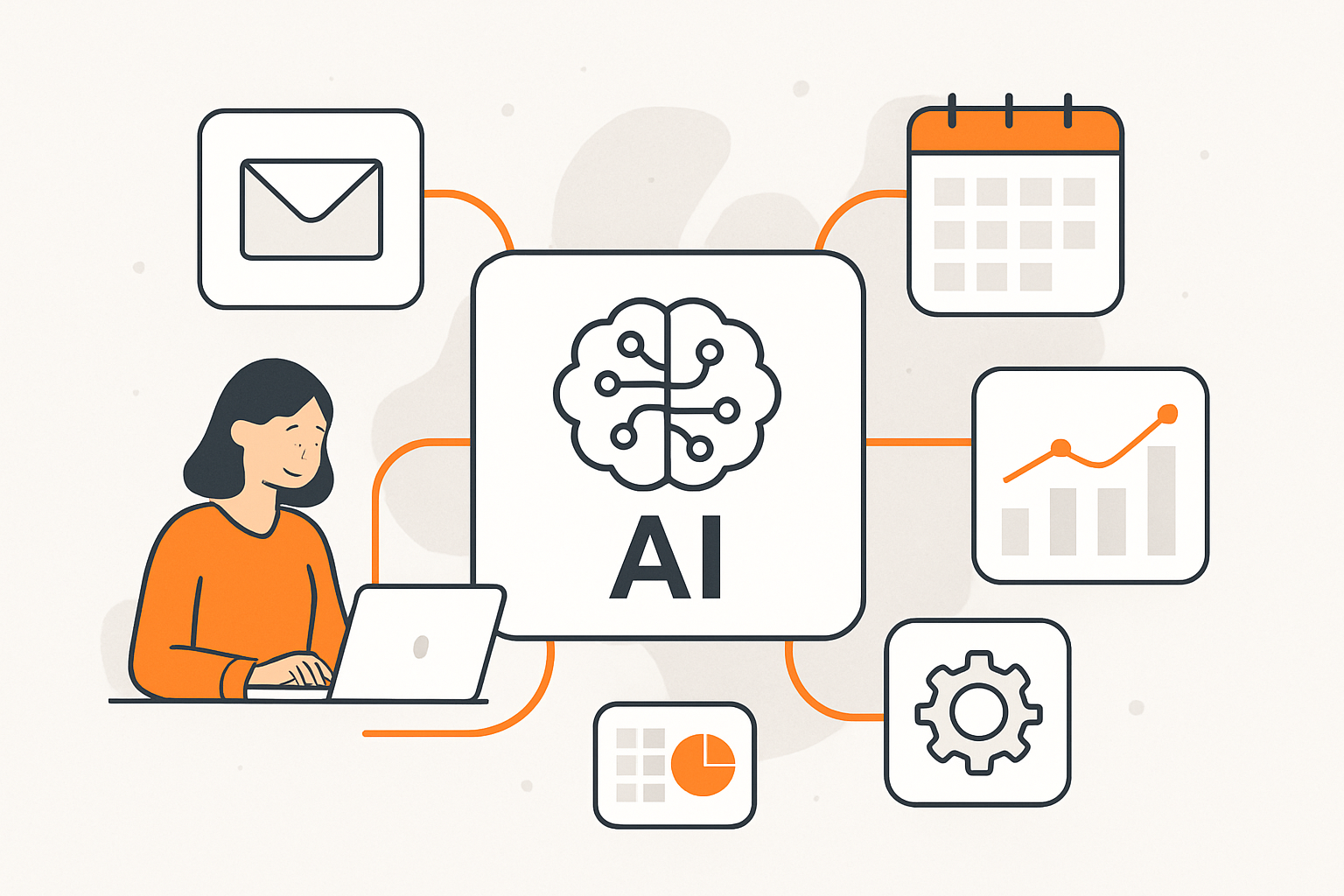
Centralize Customer Data: Utilize Coffield.io’s custom dashboards to consolidate data from various channels into a single platform. This provides a holistic view of the customer journey, enabling more informed decision-making.
-
Automate Routine Tasks: By deploying Coffield.io’s workflow automation features, SMBs can minimize manual efforts and allocate more resources toward strategic initiatives. Automate tasks such as email marketing campaigns, social media posts, and data analysis to improve efficiency.
-
Predictive Analytics: Use Coffield.io’s AI agents to analyze customer data and predict future behaviors. This allows for personalized marketing efforts that resonate more with individual customer preferences, increasing engagement and conversion rates.
-
Integration with Existing Systems: Coffield.io offers seamless integration with popular tools like QuickBooks, ensuring that your AI-driven marketing strategies are aligned with financial data for better ROI tracking.
Coffield.io Connection
Coffield.io stands out as a valuable partner for SMBs looking to thrive in the AI-driven marketing landscape. Here’s how Coffield.io features can make a difference:
-
QuickBooks Sync: By integrating financial data with marketing efforts, SMBs can gain insights into which campaigns deliver the best ROI, allowing for smarter budgeting and resource allocation.
-
Custom Dashboards: These dashboards provide real-time analytics and insights, helping businesses monitor customer interactions and adjust strategies on the fly.
-
Workflow Automation: Automating repetitive marketing tasks frees up time and resources, allowing teams to focus on more strategic initiatives and creative efforts.
-
AI Agents: These agents provide advanced predictive analytics, guiding businesses in tailoring their marketing messages to meet the needs of their audience more effectively.
With these tools, Coffield.io enables SMBs to transform challenges into opportunities, ensuring they remain competitive in the rapidly evolving marketing landscape.
FAQ Section
What are the major AI marketing trends for 2026?
The major trends include real-time data processing, predictive analytics for personalized customer interactions, and increased integration with existing business tools to enhance marketing strategies.
How can SMBs integrate AI without a large budget?
SMBs can start by leveraging platforms like Coffield.io, which offer affordable automation and dashboard capabilities, allowing businesses to gradually incorporate AI into their systems without significant upfront investments.
How does Coffield.io help in managing fragmented customer journeys?
Coffield.io centralizes data across various channels into custom dashboards, providing a unified view of customer interactions. This helps in creating a seamless customer experience and enables targeted marketing efforts.
Can Coffield.io's tools be integrated with existing systems?
Yes, Coffield.io offers integration capabilities with popular tools like QuickBooks, allowing businesses to synchronize marketing efforts with financial data for better decision-making.
What role do AI agents play in marketing?
AI agents use predictive analytics to anticipate customer needs and behaviors, enabling businesses to craft personalized marketing messages and enhance customer engagement.
Conclusion with CTA
As we move towards 2026, the integration of AI into marketing strategies will become indispensable for SMBs aiming to maintain a competitive edge. By leveraging Coffield.io's comprehensive suite of tools, businesses can navigate the complexities of fragmented customer journeys and enhance their marketing strategies effectively. To learn more about how Coffield.io can transform your marketing efforts, Schedule a Demo today and discover the future of AI in marketing.