How AI Agents from KubeCon Are Setting New Standards for DevOps Automation in SMBs
How AI Agents from KubeCon Are Setting New Standards for DevOps Automation in SMBs
Introduction
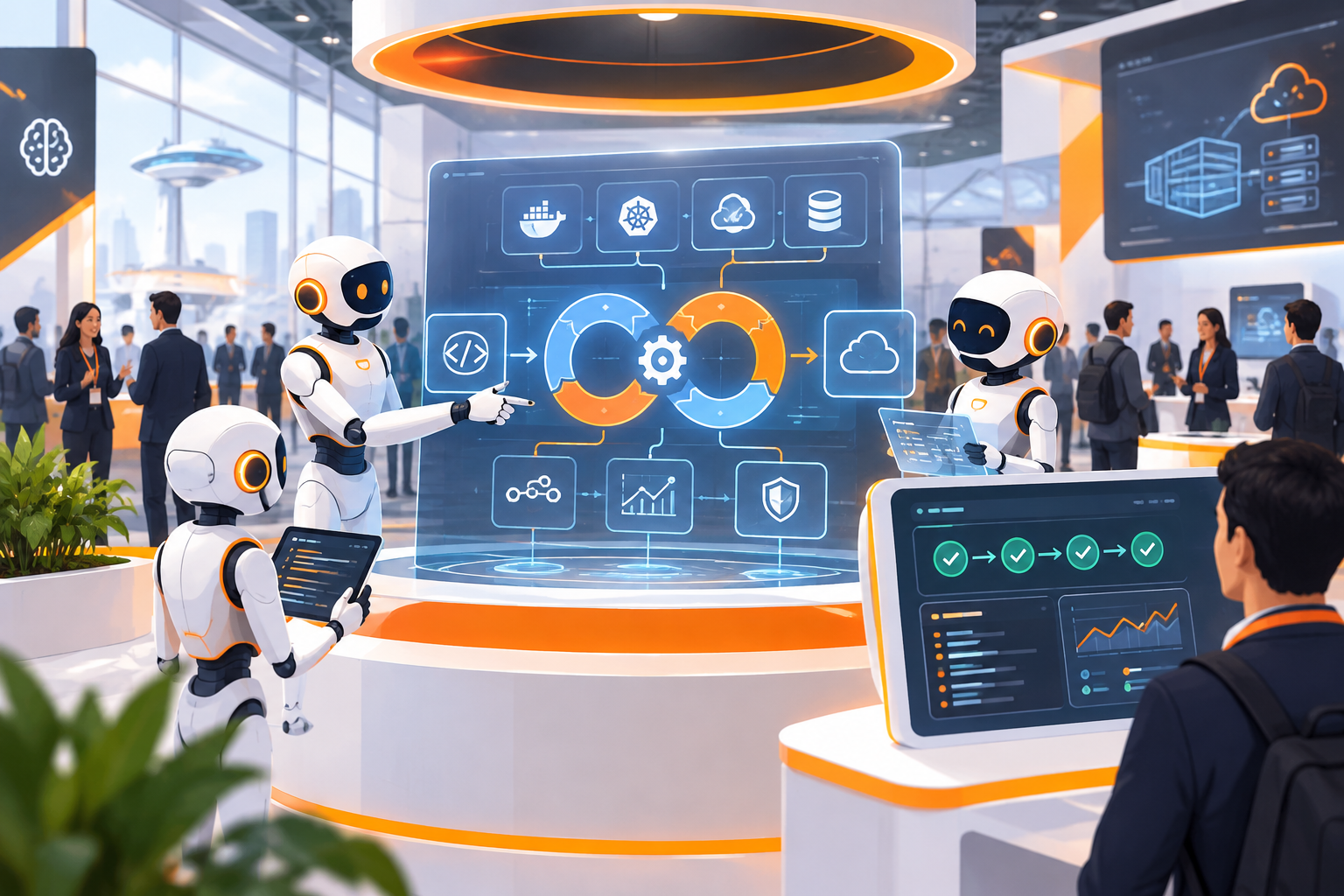
The recent KubeCon conference showcased a pivotal trend in the world of DevOps: the rise of AI agents as a cornerstone of automation. As these intelligent systems continue to evolve, they are setting new standards that have profound implications for small and medium-sized businesses (SMBs). The ability to streamline operations and cut costs is more critical than ever, especially in a competitive landscape where agility and efficiency can define success. This post will delve into the insights from KubeCon on AI agents, explore their impact on DevOps practices, and highlight how Coffield.io can help your SMB harness these advancements to enhance Continuous Integration/Continuous Deployment (CI/CD) and system monitoring.
Background/Context
KubeCon has always been a hotbed of innovation, and this year, AI agents took center stage. According to The New Stack, AI agents are testing systems that were originally designed for human oversight, yet they offer the potential to transform DevOps by automating complex tasks and reducing the need for constant human intervention. This shift is part of a larger trend where businesses are moving towards a cloud-native, AI-driven future. The deployment of AI agents is not just a technological upgrade; it represents a paradigm shift in how DevOps is perceived and implemented across industries. In a field driven by efficiency and rapid iteration, these agents promise to reduce downtime, increase deployment speeds, and enhance the overall reliability of development workflows.
Main Problem/Challenge
Despite the promising nature of AI agents, many SMBs face challenges in integrating these technologies into their existing DevOps frameworks. One major issue is the complexity of managing AI agent deployments without disrupting ongoing operations. For SMBs, which often lack the extensive IT resources of larger enterprises, this can pose a significant barrier. Additionally, there is the fear of over-reliance on a single AI agent, a problem highlighted in Coffield.io's recent blog post on avoiding single-agent overload, which can lead to system failures and inefficiencies. Another pain point is the cost associated with training and maintaining these agents, as well as the potential for increased expenditure on cloud services to support AI operations. These challenges necessitate a structured approach to AI agent integration that ensures stability and cost-effectiveness.
Solution/Approach
To effectively integrate AI agents into DevOps, SMBs must adopt a strategic approach that leverages the full potential of these technologies. Here are a few steps to consider:
1. Incremental Integration
Instead of a wholesale replacement of existing systems, SMBs should gradually introduce AI agents into their DevOps workflows. Start by automating specific, repetitive tasks that consume significant time and resources. This strategy allows for smoother transitions and minimizes operational disruptions.
2. Task Distribution
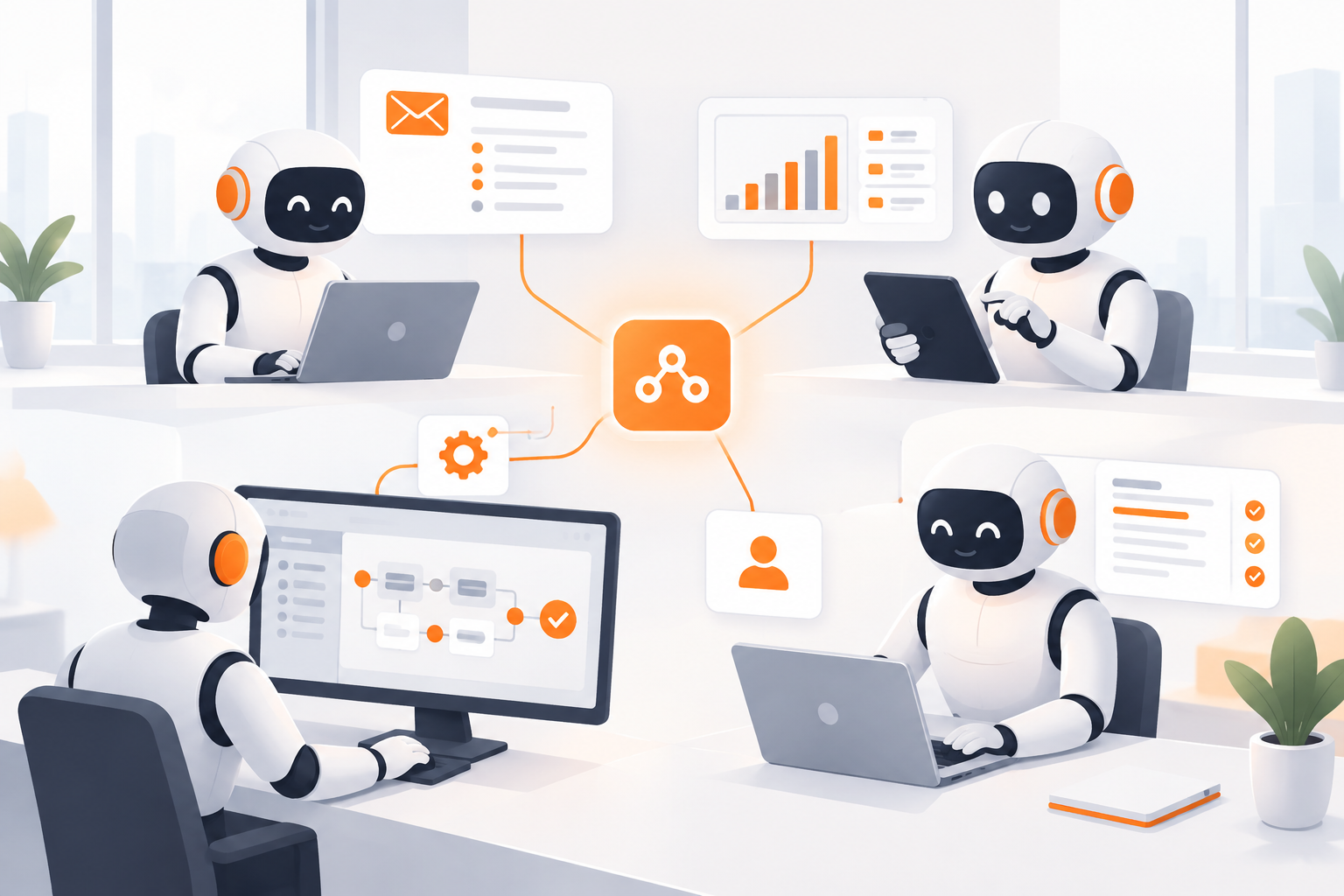
Avoid the pitfalls of single-agent overload by distributing tasks across multiple AI agents. This approach not only enhances system stability but also allows for specialization, where each agent can be fine-tuned for specific tasks, thereby improving efficiency and reducing the likelihood of errors.
3. Cost-Effective Resource Allocation
SMBs should focus on optimizing cloud resource allocation to support AI operations without incurring prohibitive costs. This can be achieved through effective LLM token management and by leveraging cost-efficient cloud services optimized for AI workloads.
4. Continuous Monitoring and Feedback
Implement a robust monitoring system that uses AI agents to track and analyze performance metrics in real-time. This setup not only ensures that operations run smoothly but also provides valuable insights for continuous improvement of AI systems.
Coffield.io Connection
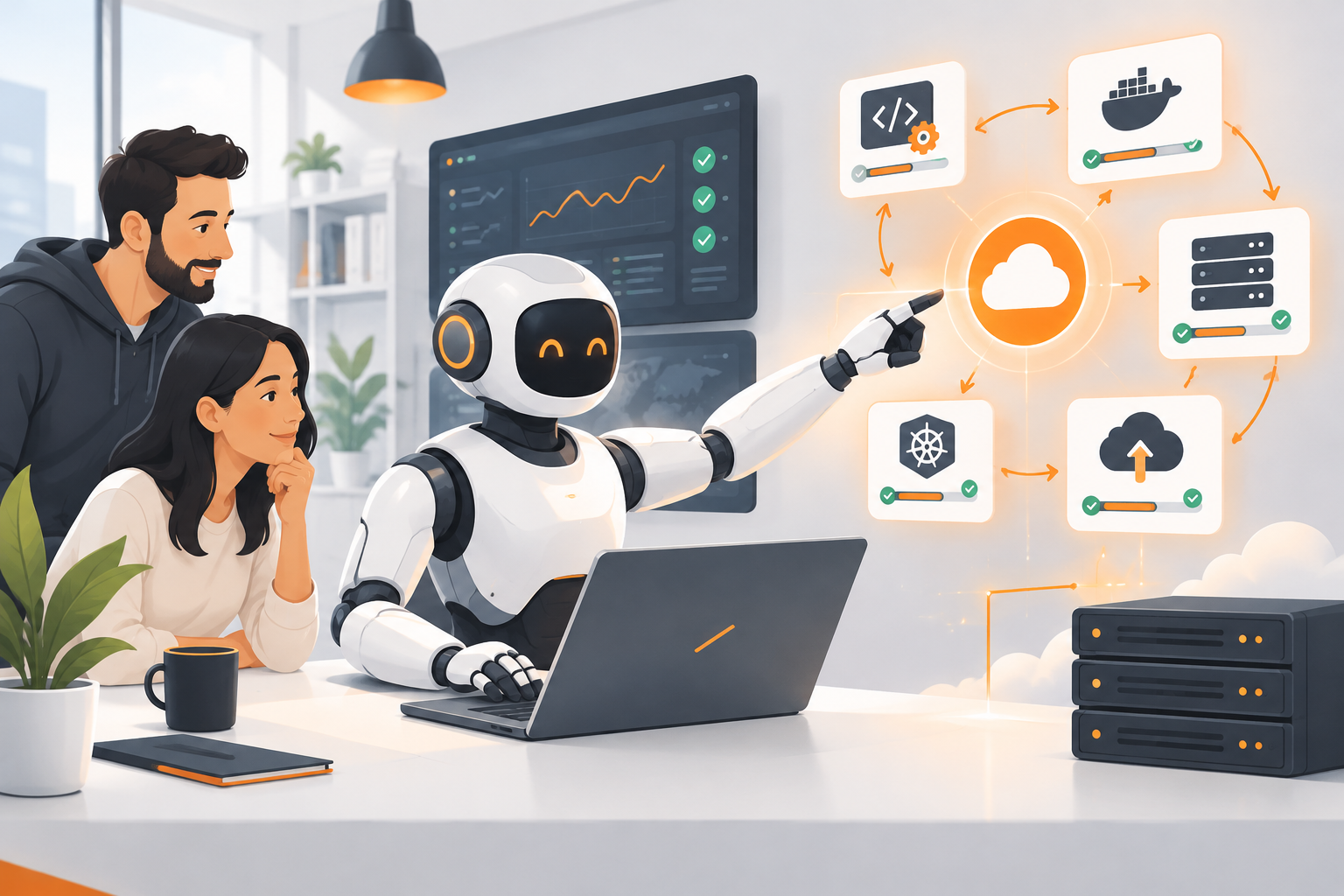
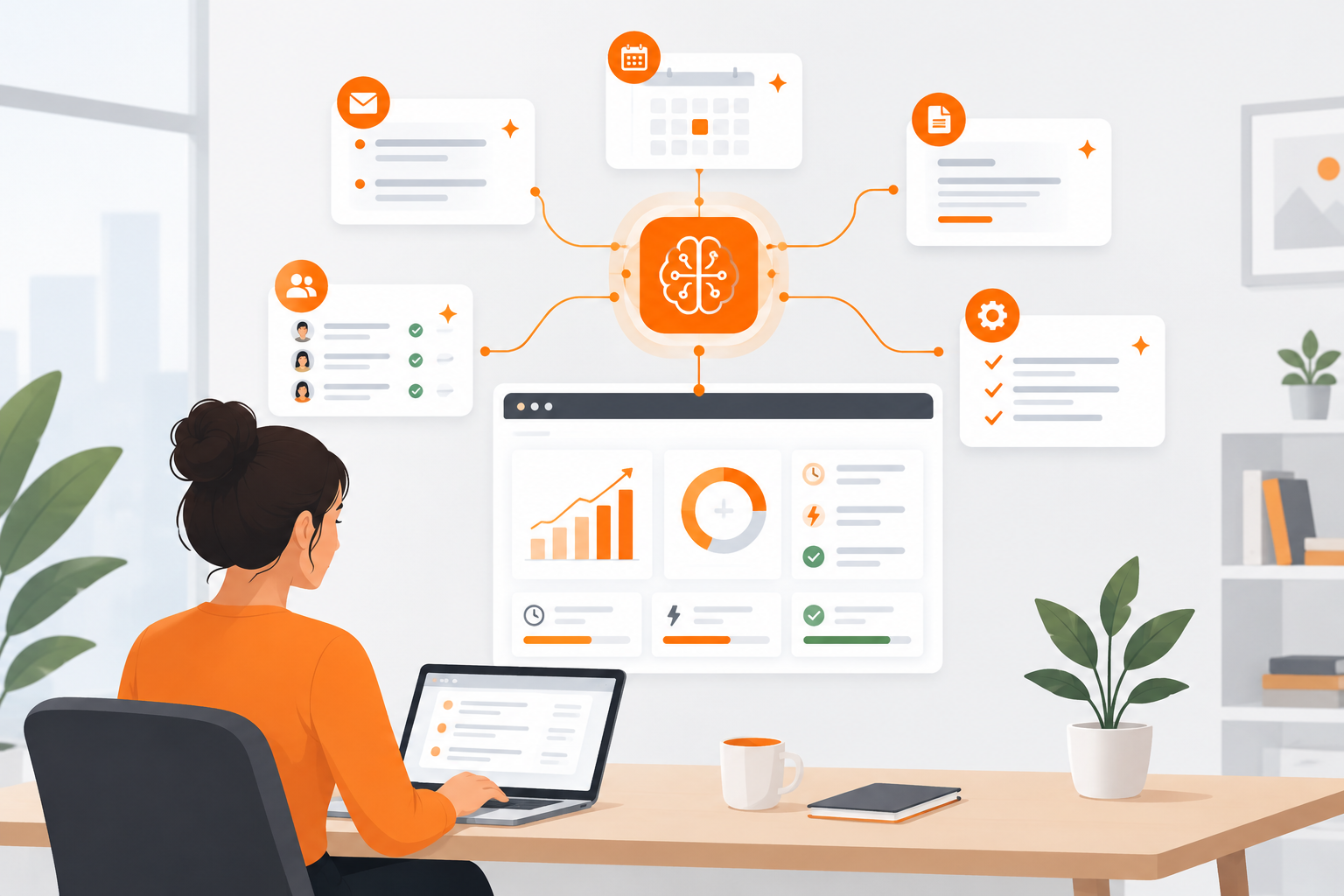
Coffield.io offers a comprehensive suite of tools designed to help SMBs integrate AI agents into their DevOps processes seamlessly. Our platform supports agentic DevOps pipelines, which are essential for effective AI integration. With features like LLM token cost reduction and SaaS stack consolidation, Coffield.io ensures that your business can maximize its ROI without unnecessary expenditure. Our workflow automation capabilities enable SMBs to streamline operations, reduce manual oversight, and boost overall efficiency. The custom dashboards provided by Coffield.io offer real-time insights into system performance, allowing for proactive management of AI agents and environments.
By leveraging these tools, SMBs can not only meet the current standards set by AI advancements but also position themselves as leaders in their respective markets. To explore how Coffield.io can transform your DevOps operations, Schedule a Demo today.
FAQ Section
What are AI agents in DevOps?
AI agents are autonomous systems that perform tasks traditionally handled by humans in DevOps, such as monitoring, deployment, and error resolution. These agents leverage machine learning and AI to improve efficiency and reduce manual intervention.
How can AI agents impact SMB operations?
AI agents can significantly enhance SMB operations by automating routine tasks, reducing errors, and accelerating deployment cycles. This leads to increased productivity and cost savings, allowing SMBs to allocate resources more effectively.
What challenges do SMBs face with AI integration?
SMBs often struggle with the complexity of integrating AI into existing systems, potential cost increases, and the need to manage multiple AI agents efficiently. A strategic approach and the right tools are essential for overcoming these challenges.
How does Coffield.io support AI integration?
Coffield.io offers tools and features that facilitate the seamless integration of AI agents into DevOps workflows. Our platform supports cost-efficient resource management, task automation, and real-time monitoring, all of which are critical for optimizing AI operations.
Is AI agent monitoring necessary?
Yes, continuous monitoring is crucial for ensuring that AI agents perform optimally and adapt to changing operational conditions. It allows for quick identification and resolution of issues, maintaining system reliability and performance.
Conclusion with CTA
AI agents are revolutionizing DevOps practices and setting new standards for efficiency and performance. For SMBs, embracing these advancements is not just an opportunity but a necessity to stay competitive. By leveraging Coffield.io's solutions, your business can seamlessly integrate AI agents into your operations, enhancing productivity and reducing costs. Don't miss out on the chance to transform your DevOps process—Schedule a Demo today and explore the potential of AI-driven DevOps automation.