How AI Agents Broaden the Scope of Knowledge Work in SMB DevOps
Introduction
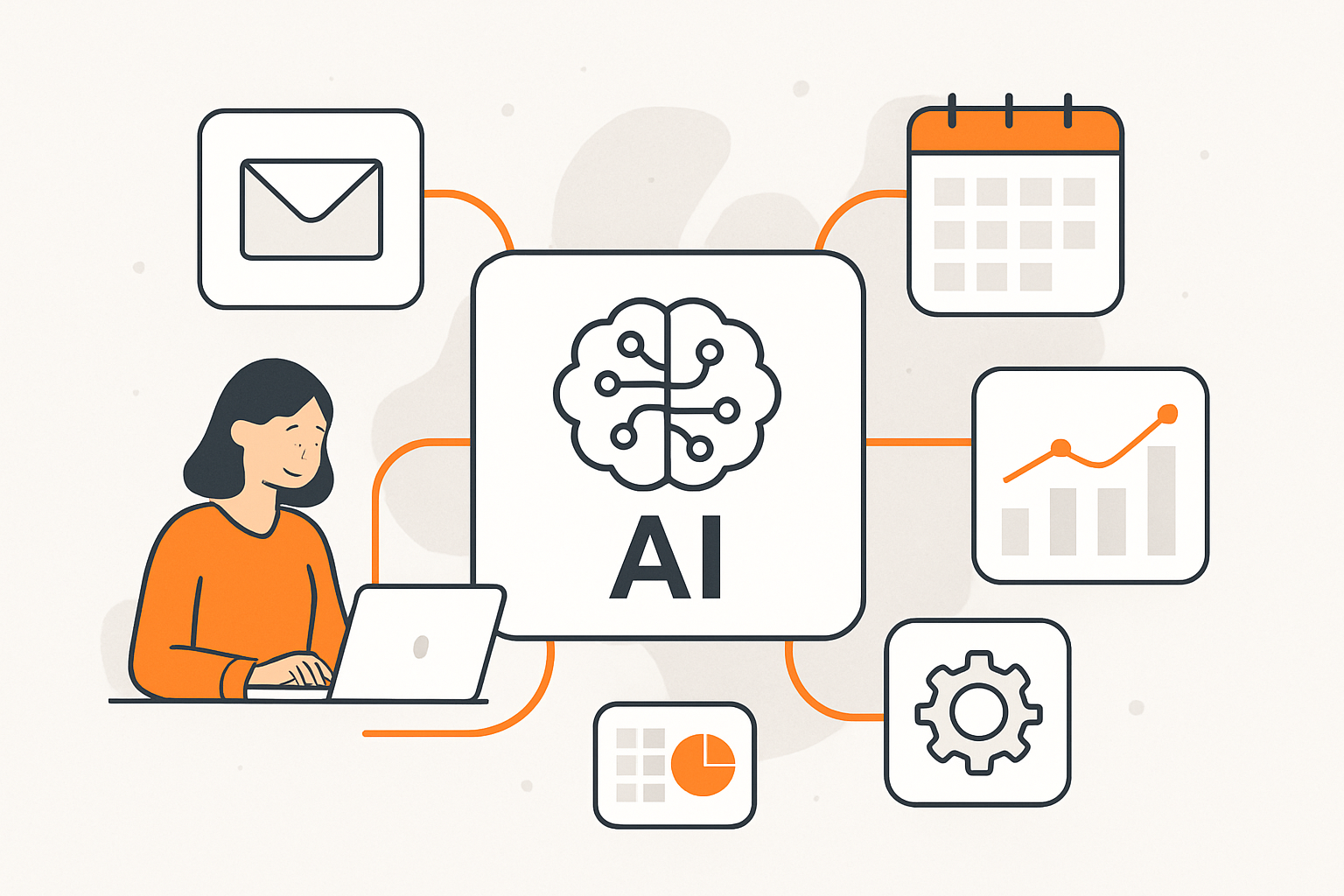
In today's fast-paced business environment, Small and Medium-sized Businesses (SMBs) are under constant pressure to enhance operational efficiency and reduce costs, especially in the complex realm of DevOps. The introduction of AI agents presents a revolutionary way to broaden the scope of knowledge work within DevOps, offering automation capabilities that were once thought to be exclusive to larger enterprises. With the increasing demand for cost-effective solutions and the complexity of tasks in SMB DevOps, AI agents emerge as a timely solution to expand capabilities without increasing headcount.
In this blog, we will explore how AI agents are transforming DevOps operations for SMBs by automating complex tasks, reducing errors, and enhancing operational efficiency. We will also delve into insights from recent Harvard Business Review (HBR) research on how AI agents are expanding the scope of knowledge work, and how Coffield.io can assist in implementing these advancements for significant ROI.
Background/Context
The landscape of DevOps is undergoing significant transformation as businesses strive for greater efficiency and agility. Traditionally, DevOps involved a manual approach to managing software development and IT operations, often leading to bottlenecks and inefficiencies. However, with the advent of AI technology, there is a shift toward automation and intelligent decision-making processes. According to a recent study published by HBR, AI agents are not only improving efficiency but are also broadening the scope of what is possible within knowledge work by automating complex tasks and providing deeper insights into operations (HBR, 2026).
Statistics show that businesses leveraging AI in their DevOps processes can reduce operational costs by up to 30%, while increasing deployment frequency and improving time-to-market. These figures highlight a growing trend toward embracing AI to drive business outcomes and maintain competitive advantage.
Main Problem/Challenge
Despite the promising benefits of AI agents, many SMBs face significant challenges in integrating these technologies into their existing DevOps frameworks. One of the primary issues is the complexity involved in managing and deploying AI solutions effectively. Traditional DevOps tools often fall short when it comes to automating complex tasks or processing vast amounts of data.
For instance, let's consider an SMB that relies heavily on SaaS applications for its day-to-day operations. Manually handling updates, integrations, and security patches can lead to downtime and potential breaches, ultimately affecting the business's bottom line. Furthermore, the lack of specialized skill sets within SMBs to manage AI agents can be a barrier, as these technologies require a certain level of expertise to maximize their potential.
Another common pain point is the cost associated with transitioning to AI-powered solutions. Many SMBs operate with limited budgets and cannot afford large-scale overhauls. Thus, there's a need for cost-effective solutions that can seamlessly integrate into existing systems without causing disruptions.
Solution/Approach
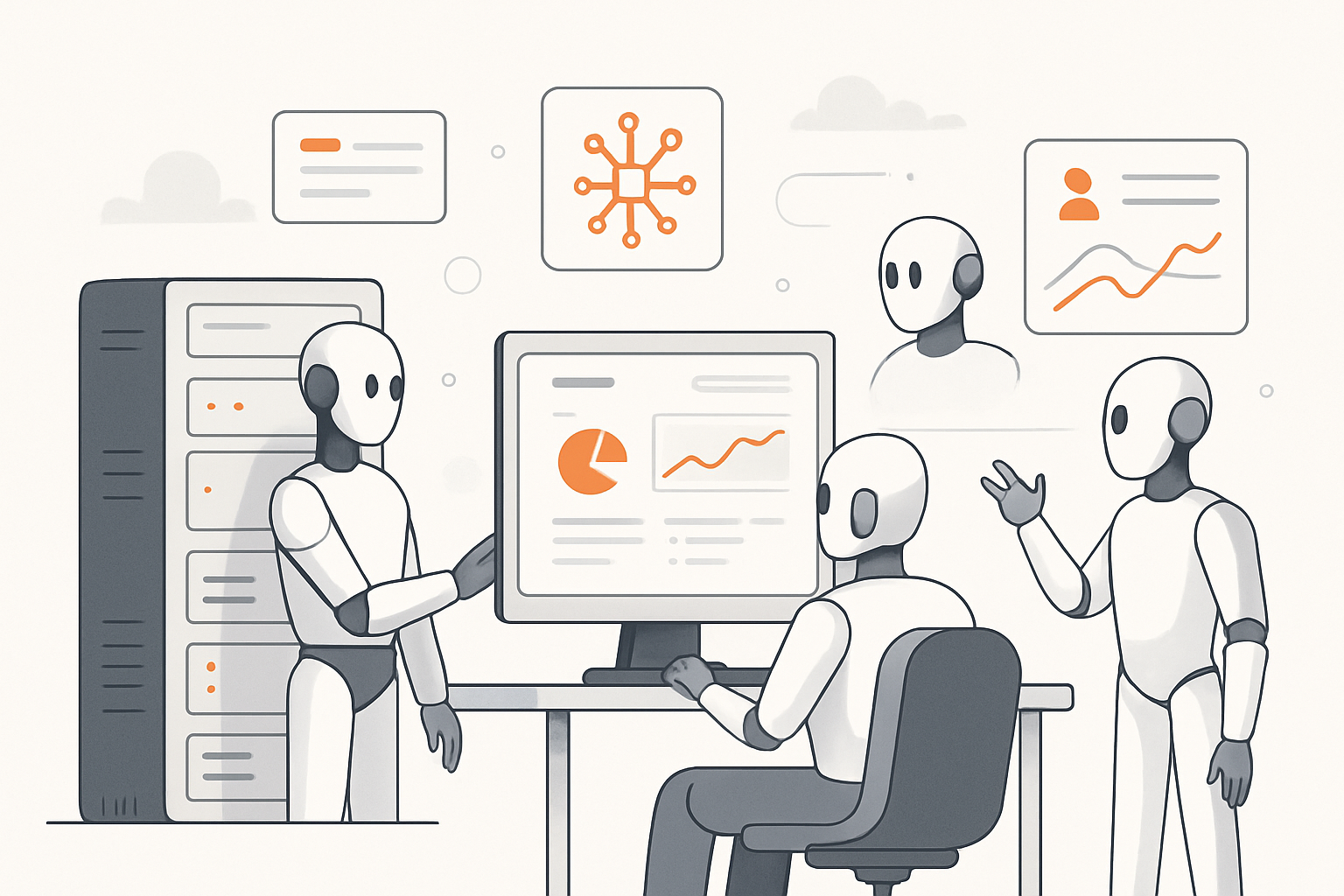
AI agents provide a robust solution to the challenges faced by SMBs in the DevOps space. By leveraging AI agents, businesses can automate repetitive tasks, reduce human error, and enhance the overall efficiency of their operations. Here are some practical steps and best practices for integrating AI agents into SMB DevOps:
Step-by-Step Integration
-
Identify Key Areas for Automation: Start by analyzing your current DevOps processes to identify areas where AI can add value. Tasks such as code deployments, testing, and monitoring are ideal candidates for automation.
-
Choose the Right AI Tools: Select AI agents that align with your business goals and have a proven track record of success in the DevOps space. Consider tools that offer integration capabilities with your existing infrastructure.
-
Pilot and Iterate: Begin with a pilot project to assess the impact of AI agents on your operations. Use the insights gained to refine and scale your AI strategies incrementally.
-
Train Your Team: Ensure your team is equipped with the necessary skills to manage and optimize AI agents. Training programs and workshops can help bridge any knowledge gaps.
Best Practices
- Monitor and Evaluate: Continuously monitor the performance of AI agents and evaluate their impact on efficiency and cost savings.
- Data-Driven Decision Making: Utilize the data insights provided by AI agents to make informed decisions and drive strategic business outcomes.
- Scalability: Choose scalable AI solutions that can grow with your business and adapt to changing needs.
Coffield.io Connection
Coffield.io is at the forefront of helping SMBs leverage AI agents to transform their DevOps processes. Our platform offers a range of features designed to optimize operational efficiency and reduce costs. Here's how Coffield.io can support your business:
- Agentic DevOps Pipelines: Automate your DevOps workflows with our agentic DevOps solutions that streamline CI/CD processes and minimize errors.
- LLM Token Cost Reduction: Save on token usage by optimizing prompt engineering and intelligent model routing.
- SaaS Stack Consolidation: Replace expensive SaaS tools with AI agents to reduce software costs and simplify your IT infrastructure.
- Custom Dashboards: Gain actionable insights with customizable dashboards that provide a comprehensive overview of your DevOps performance.
By choosing Coffield.io, SMBs can achieve significant ROI through enhanced operational capabilities and reduced overhead costs. To see how our platform can transform your business, Schedule a Demo today.
FAQ Section
-
What are AI agents in DevOps? AI agents in DevOps are automated tools that use artificial intelligence to manage and optimize software development and IT operations processes, such as coding, testing, deployment, and monitoring.
-
How can AI agents benefit SMBs specifically? AI agents help SMBs by reducing operational costs, minimizing errors, and improving deployment frequency, enabling them to compete with larger enterprises without increasing headcount.
-
What challenges do SMBs face when integrating AI agents? Common challenges include the complexity of managing AI solutions, limited budgets, and the need for specialized skills to maximize the potential of AI agents.
-
How does Coffield.io support AI integration for SMBs? Coffield.io offers a suite of tools for agentic DevOps automation, SaaS stack consolidation, and custom dashboards, helping SMBs seamlessly integrate AI agents to enhance efficiency and reduce costs.
-
What is the ROI for implementing AI agents in DevOps? Implementing AI agents can lead to a significant reduction in operational costs, improved time-to-market, and increased deployment frequency, ultimately driving higher ROI for SMBs.
Conclusion with CTA
AI agents are a game-changer for SMB DevOps, offering the potential to automate complex tasks and enhance operational efficiency. By leveraging the power of AI, SMBs can broaden the scope of their knowledge work, reduce costs, and improve overall performance. Coffield.io stands ready to help you harness these capabilities with our robust platform designed for SMBs. Start your journey towards optimized DevOps today by scheduling a demo with us.