Maximizing DevOps Efficiency with AI Agents: Moving Beyond Suggestions to Strategic Execution
Introduction
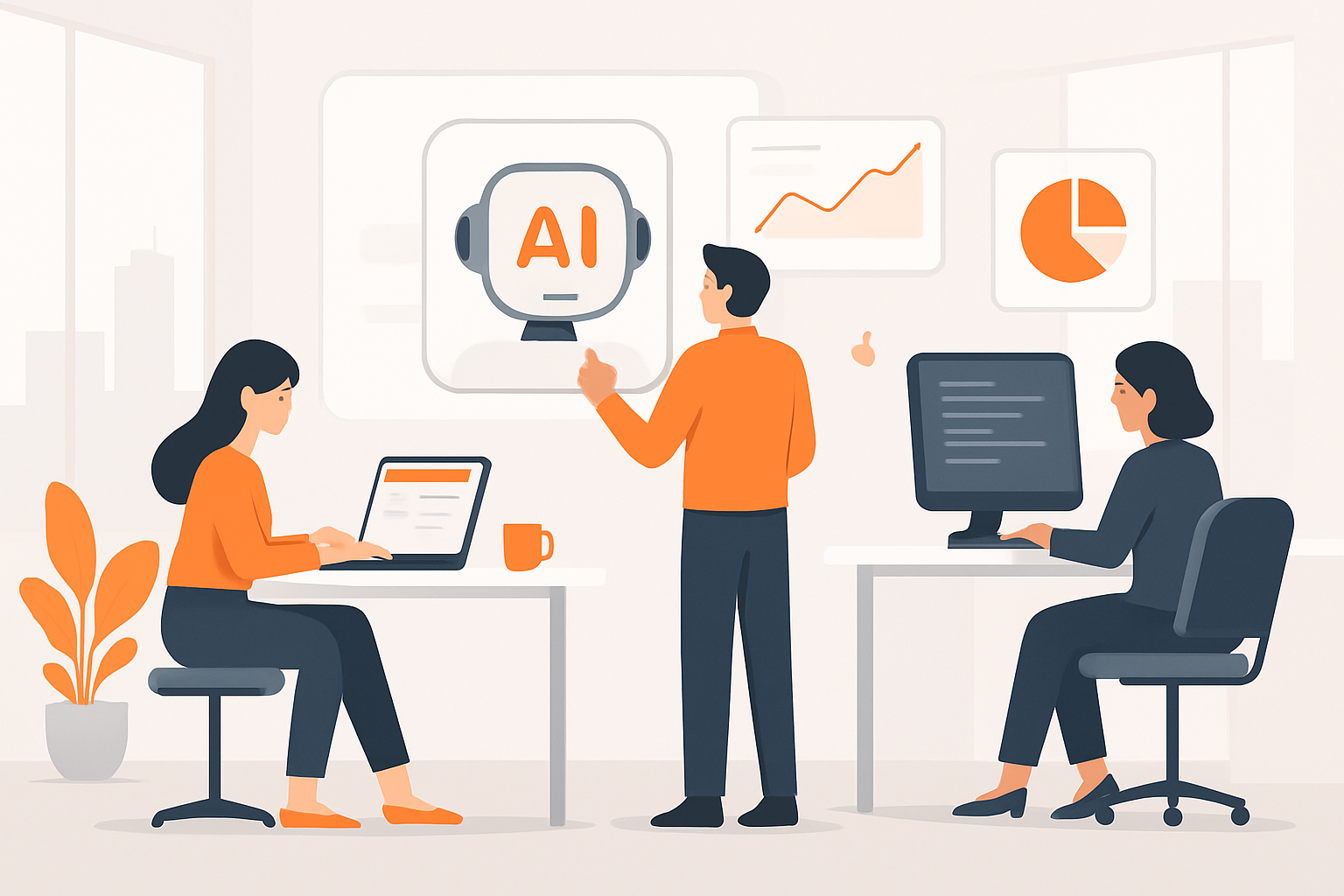
In the dynamic world of small and medium-sized businesses (SMBs), efficiency is key to staying competitive. As technology continues to evolve, the adoption of AI agents in DevOps is transforming how businesses operate. Traditionally, AI has been seen as a tool to provide suggestions, but the landscape is shifting towards AI agents that can interpret and execute strategic instructions effectively. This change is crucial as businesses strive to reduce human error and enhance their continuous integration/continuous deployment (CI/CD) pipelines.
This blog post will explore how AI agents are moving beyond mere suggestions to strategic execution, focusing on optimizing DevOps processes for SMBs. We will delve into the current trends, the challenges faced by SMBs, and how intelligent AI deployment can transform operations.
Background/Context Section
The landscape of DevOps is witnessing a significant shift. With the rapid integration of AI into business processes, companies are no longer satisfied with AI providing simple recommendations. They want AI that acts autonomously and executes tasks with precision. According to The New Stack, "There are no laws, only suggestions" is becoming a mantra in AI coding, emphasizing the shift from human oversight to AI-driven decision-making (source).
AI agents are being designed to better understand complex instructions and execute them without constant human intervention. This evolution is driven by the need for operational efficiency and competitive advantage, particularly in SMBs where resources are limited, and the impact of errors can be substantial. A recent report highlighted that companies employing AI-driven DevOps experience a 30% improvement in deployment frequency, directly impacting their productivity and time-to-market.
Main Problem/Challenge Section
Despite the potential benefits, the transition to AI-driven DevOps is not without its challenges. One of the primary concerns is ensuring that AI agents accurately interpret and execute instructions. Misinterpretations can lead to significant errors, which could disrupt operations and affect the bottom line for SMBs.
For instance, a small tech company deploying updates via an AI-driven CI/CD pipeline might face issues if the AI agent misinterprets deployment scripts, leading to system downtimes. This scenario is not uncommon and highlights the critical need for precise instruction execution.
Moreover, SMBs often struggle with the lack of technical expertise to manage these sophisticated AI systems. The complexity of integrating AI into existing DevOps workflows can be daunting, leading to resistance or suboptimal adoption of potentially beneficial technologies.
Solution/Approach Section
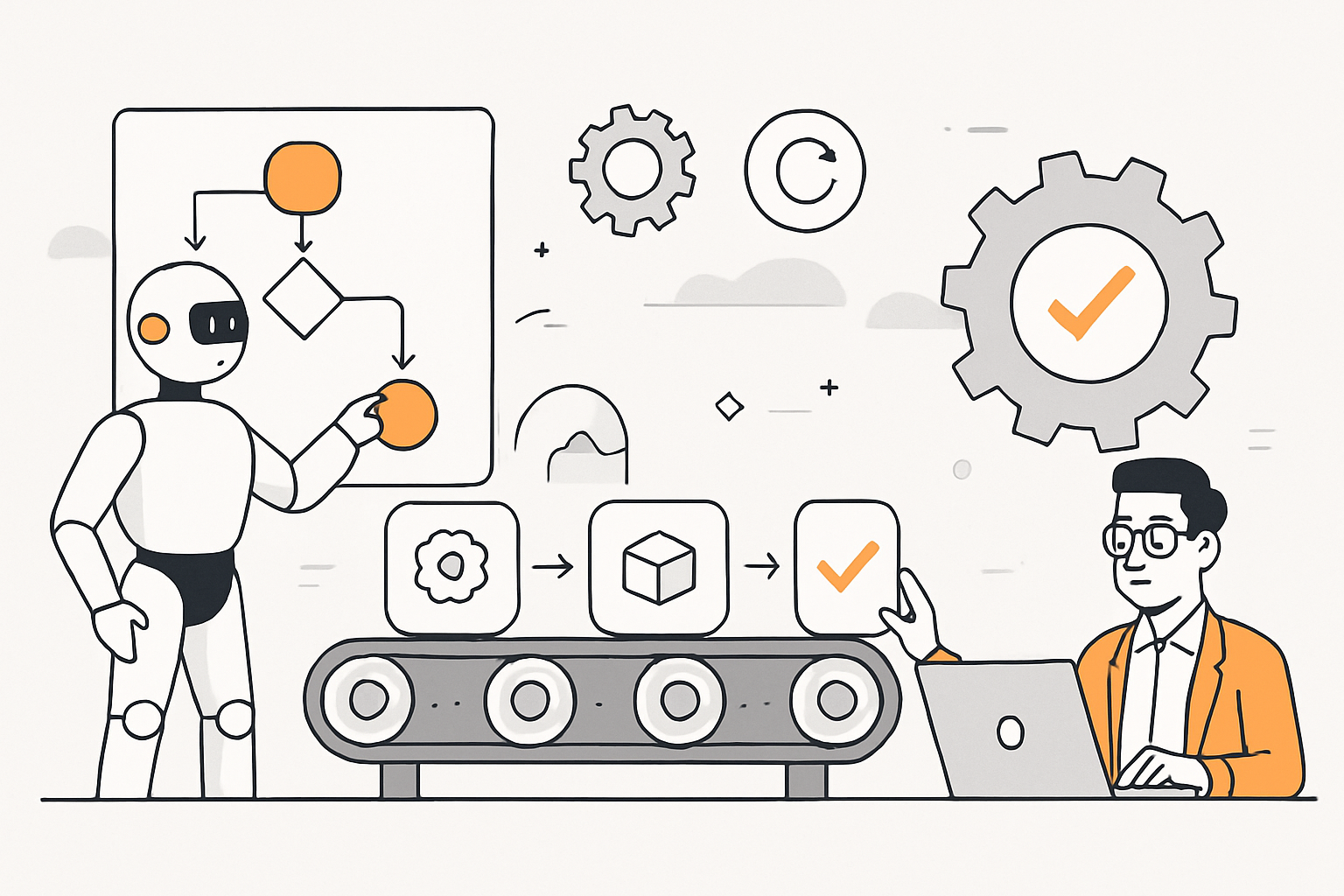
To effectively leverage AI agents for DevOps, SMBs need a strategic approach. The first step involves selecting AI agents that are designed with robust learning algorithms capable of understanding nuanced instructions. These AI agents should be capable of learning from historical data and user interactions to improve accuracy over time.
A practical framework for SMBs includes:
- Training and Calibration: Regularly updating AI models to understand specific business contexts and workflows. This ensures that AI agents are aligned with business objectives.
- Integration with Existing Systems: Seamlessly integrating AI into current DevOps pipelines to enhance efficiency without disrupting established workflows.
- Continuous Monitoring and Feedback: Establishing a feedback loop where AI decisions are reviewed, and insights are used to fine-tune its performance.
Best practices include starting with smaller, manageable tasks to build confidence and gradually increasing the complexity of tasks assigned to AI agents. Additionally, businesses should prioritize transparency and accountability, ensuring that AI actions are traceable and understandable to stakeholders.
Coffield.io Connection
At Coffield.io, we empower SMBs to harness the full potential of AI agents in their DevOps processes. Our platform offers comprehensive solutions such as agentic DevOps pipelines, which are designed to optimize CI/CD processes and reduce human error.
Our tools facilitate LLM token cost reduction, allowing businesses to manage resources efficiently. By consolidating SaaS tools and automating workflows, Coffield.io enables SMBs to focus on strategic growth rather than operational bottlenecks.
With our AI agents and custom dashboards, SMBs can gain real-time insights into their operations, enhancing decision-making and driving ROI. Our platform ensures that AI actions are not only strategic but also aligned with business goals.
FAQ Section
What are AI agents in DevOps?
AI agents in DevOps are automated systems designed to execute specific tasks within the DevOps lifecycle. They interpret instructions and perform tasks such as code deployment and monitoring, enhancing operational efficiency.
How do AI agents reduce human error in DevOps?
AI agents use machine learning algorithms to learn from past actions and predict potential issues, allowing them to execute tasks with precision and reduce the margin for human error.
Can AI agents completely replace human roles in DevOps?
While AI agents enhance efficiency by automating repetitive tasks, human oversight is essential for strategic planning and decision-making. AI augments human capabilities rather than replacing them.
How does Coffield.io support SMBs in adopting AI agents?
Coffield.io provides SMBs with tools to seamlessly integrate AI agents into their DevOps pipelines. Our platform offers automation, intuitive dashboards, and cost management features designed specifically for SMB needs.
What are the benefits of using AI for CI/CD pipelines?
AI can optimize CI/CD pipelines by streamlining code deployments, reducing errors, and accelerating release cycles, resulting in faster time-to-market and improved productivity.
Conclusion with CTA
In conclusion, maximizing DevOps efficiency with AI agents requires moving beyond suggestions to strategic execution. By adopting a structured approach and utilizing platforms like Coffield.io, SMBs can enhance their operational processes, reduce errors, and ultimately achieve a competitive edge. Take the next step in transforming your DevOps processes by scheduling a demo with Coffield.io.