Navigating Financial Statements in the Age of AI Revenue: A Guide for SMBs

Introduction
In the rapidly evolving world of business, AI is not just a buzzword—it's a transformative force redefining how companies operate. For small and medium-sized businesses (SMBs), understanding AI's role in financial reporting is more crucial than ever. Traditional financial statements assume human customers, but what happens when AI agents start driving your revenue? This post explores how Coffield.io's agentic AI can reshape financial reporting and revenue management for SMBs, adapting traditional financial strategies to AI-driven operations.
Background/Context Section
The business landscape is undergoing a radical shift with the integration of artificial intelligence. AI is no longer confined to automating mundane tasks; it has evolved into a driver of complex business operations, impacting everything from customer service to financial management. According to a recent report, the gap between what companies report and what investors need to know is widening due to the rise of AI customers source. Understanding and adapting to these changes is vital for SMBs aiming to stay competitive.
A growing number of businesses are leveraging AI for enhanced precision in financial forecasting and reporting. In fact, SMBs that integrate AI into their financial operations report a 20% increase in efficiency and a significant reduction in errors. Coffield.io is at the forefront of this transformation, offering tools that seamlessly integrate AI into financial management systems.
Main Problem/Challenge Section
The primary challenge for SMBs is the traditional financial reporting framework, which assumes human interaction as a constant. This framework becomes problematic when AI agents, not human customers, start driving revenue. For example, an AI-based recommendation engine can influence buying decisions without any direct human intervention. This shift necessitates a rethinking of how financial performance is measured and reported.
Common pain points for SMBs include:
- Inaccurate Revenue Attribution: Traditional models may misattribute revenue generated by AI agents, leading to skewed financial insights.
- Complex Data Integration: Integrating AI-driven data with existing financial systems can be cumbersome, often requiring significant manual intervention.
- Regulatory Compliance: As AI becomes more integral, SMBs must ensure compliance with evolving regulations on AI and financial reporting.
These challenges can hinder growth, making it essential for SMBs to find solutions that bridge the gap between traditional financial practices and AI-driven realities.
Solution/Approach Section
Addressing these challenges involves a multifaceted approach, combining technology, strategic planning, and compliance. Here’s a step-by-step framework for SMBs:
-
Adopt AI-Enhanced Financial Tools: Utilize platforms like Coffield.io that offer AI-powered financial management solutions, ensuring seamless integration with existing systems.
-
Implement Dynamic Revenue Models: Shift from static reporting models to dynamic ones that account for AI contributions, ensuring accurate revenue attribution.
-
Enhance Data Analytics Capabilities: Leverage AI-driven analytics to gain deeper insights into business performance, allowing for more informed decision-making.
-
Ensure Compliance and Adaptability: Stay updated with regulatory changes and ensure your AI systems comply with financial reporting standards.
-
Educate and Train Teams: Invest in training for your financial team to work efficiently with AI systems, minimizing resistance and maximizing productivity.
These best practices not only streamline financial operations but also position SMBs to leverage AI for sustained growth and competitiveness.
Coffield.io Connection
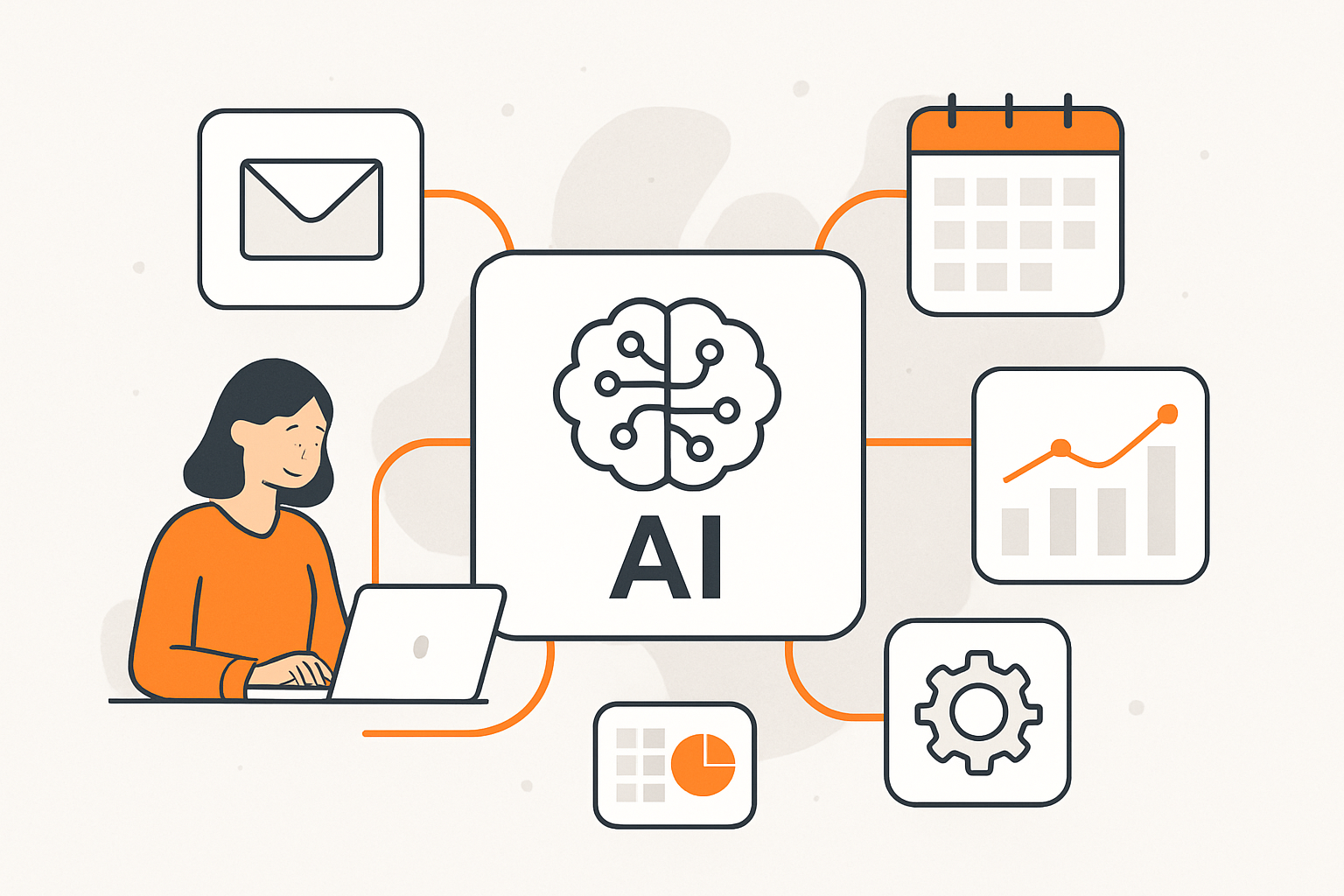
Coffield.io offers a suite of tools designed to address these challenges head-on. By integrating AI agents with QuickBooks, SMBs can achieve real-time financial syncs, reducing manual data entry and errors. Custom dashboards provide tailored insights, allowing businesses to track AI-driven revenue streams accurately.
Moreover, Coffield.io’s workflow automation capabilities streamline financial processes, ensuring consistency and compliance. By using AI agents to automate repetitive tasks, financial teams can focus on strategic initiatives that drive growth. For SMBs looking to enhance their financial management, schedule a demo with Coffield.io to explore these features in action.
FAQ Section
Q1: How does AI impact traditional financial reporting for SMBs? AI changes the dynamics of financial reporting by introducing AI-driven revenue streams. Traditional models often fail to accurately capture these, necessitating a shift to more dynamic reporting methods that Coffield.io supports.
Q2: What are the benefits of using Coffield.io’s AI tools for financial management? Coffield.io’s tools enhance financial accuracy, improve efficiency through automation, and provide real-time insights with custom dashboards, ultimately driving better financial decision-making.
Q3: How can SMBs ensure compliance with AI-driven financial systems? Staying updated with regulatory changes and using compliant AI tools like Coffield.io ensures SMBs meet all necessary financial reporting standards while leveraging AI.
Q4: What specific features does Coffield.io offer to help manage AI-driven revenues? Coffield.io offers seamless QuickBooks integration, real-time data syncing, and AI-driven analytics, allowing SMBs to accurately track and manage AI-driven revenues.
Conclusion with CTA
As AI continues to redefine business operations, adapting financial strategies to incorporate AI-driven revenue is crucial for SMBs. Coffield.io’s innovative solutions empower businesses to navigate these challenges with ease. Ready to transform your financial management? Schedule a Demo with Coffield.io today to begin your journey.