Why AI Agents Shouldn't Touch Your Source Code — And How Coffield.io Keeps Your SMB Safe

Why AI Agents Shouldn't Touch Your Source Code — And How Coffield.io Keeps Your SMB Safe
Introduction
In the rapidly evolving world of business technology, AI tools are becoming indispensable for small and medium-sized businesses (SMBs). These tools promise increased efficiency and automation, helping businesses compete more effectively in saturated markets. However, with the power of AI comes the responsibility to protect your critical assets—namely, your source code. Allowing AI agents unfettered access to your source code can lead to unintended consequences, such as security vulnerabilities and loss of intellectual property integrity. In this article, we'll explore why AI agents should focus on operational tasks without compromising source code integrity and how Coffield.io provides a secure solution tailored for SMBs.
Background/Context
The integration of AI into business operations is not just a trend; it's a fundamental shift driven by the need for efficiency and scalability. According to a report by Dynatrace, as businesses increasingly rely on AI, ensuring these tools operate safely and effectively without risking vital business assets like source code is paramount. Industry analysts forecast that by 2026, over 80% of SMB workflows will incorporate some form of AI-driven automation. This shift reflects the growing understanding that while AI can enhance operational capabilities, it must be deployed carefully to avoid potential pitfalls. The challenge is to harness AI's power without exposing your business to unnecessary risks.
Main Problem/Challenge
The core issue with permitting AI agents to access source code lies in the risk of compromising code integrity. Source code represents the foundation of your applications and digital operations. When AI agents interact directly with this code, several risks arise. For instance, AI algorithms can inadvertently introduce bugs, or worse, security vulnerabilities. In SMBs, where resources are often limited, recovering from such issues can be time-consuming and costly. Moreover, the lack of transparency in AI decision-making processes can result in undesirable alterations to your codebase, affecting functionality and performance. Multiple SMBs have reported instances where AI-driven modifications led to unexpected system behavior, highlighting the need for stringent controls over AI capabilities.
Solution/Approach
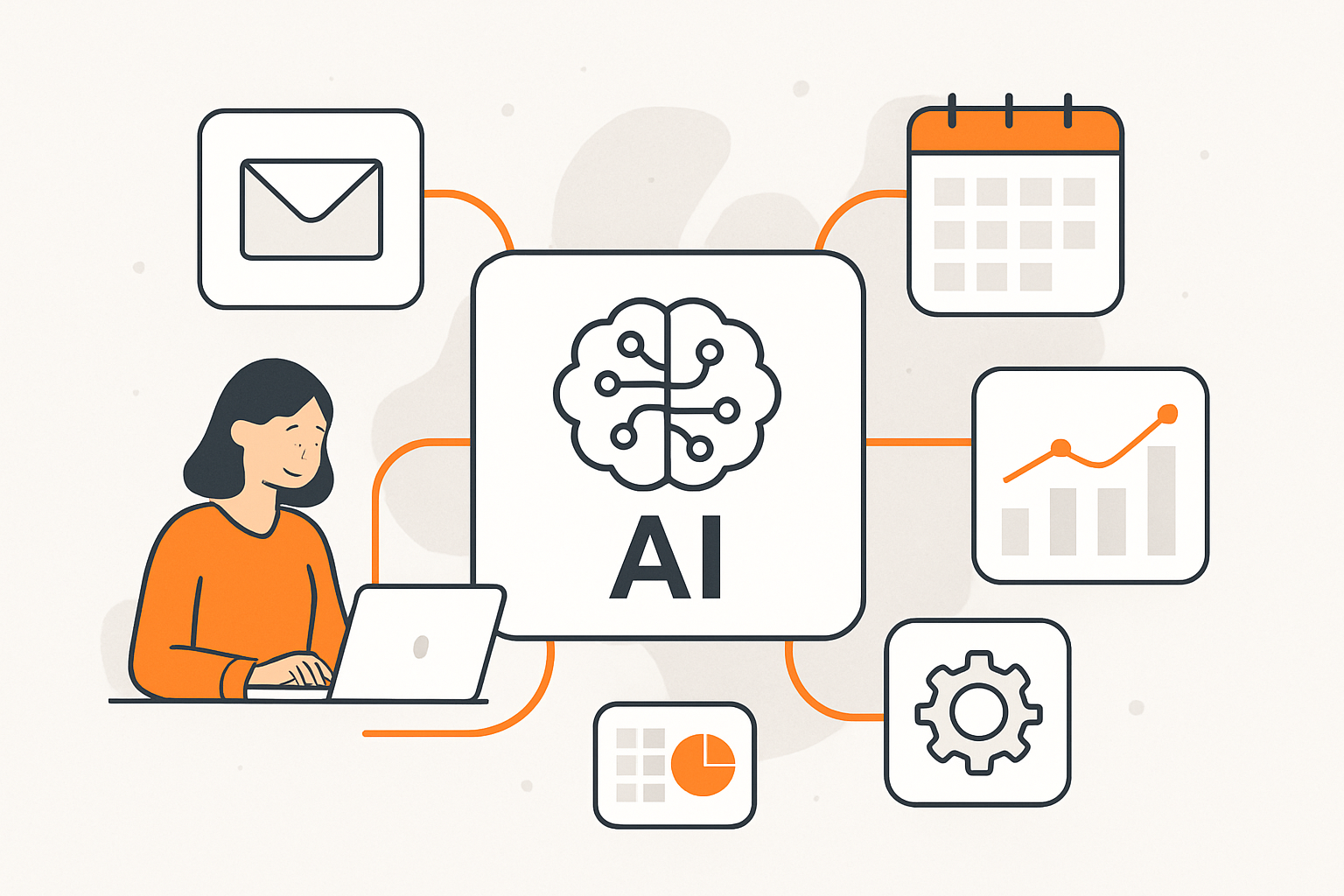
To navigate these challenges, SMBs should focus on using AI for operational tasks rather than direct code manipulation. AI agents excel in areas such as workflow automation, data analysis, and customer service enhancements without needing to touch the source code. Implementing a clear framework for AI deployment is crucial. Here are some best practices:
-
Define Clear Boundaries: Establish explicit guidelines on what AI agents can and cannot do. This includes restricting access to source code and focusing on areas like data processing and analytics.
-
Robust Monitoring: Utilize monitoring tools to track AI agent activities. This ensures that any anomalies are detected and addressed promptly.
-
Regular Audits: Conduct regular audits to ensure compliance with established AI usage policies and to catch any unauthorized changes.
-
Secure Integrations: Use secure APIs and interfaces for AI agents to interact with operational data, ensuring they work within controlled environments.
By following these steps, SMBs can effectively leverage AI tools without compromising their source code.
Coffield.io Connection
Coffield.io offers a robust solution to these challenges by providing agentic AI that focuses on enhancing SMB workflow automation safely. Our platform uses AI agents that are designed to operate within predefined boundaries, ensuring your source code remains untouched. Features like QuickBooks sync, custom dashboards, and workflow automation allow your business to enjoy the benefits of AI without risking core assets. For example, Coffield.io can automate invoice processing through QuickBooks integration, enhancing financial efficiency without altering your accounting software's source code. Schedule a Demo to see how Coffield.io can transform your operations.
FAQ Section
-
Why shouldn't AI agents access my source code?
Allowing AI agents to access source code can lead to unintended alterations, bugs, and security vulnerabilities. It's crucial to maintain control over your codebase to ensure its integrity and functionality. -
How does Coffield.io ensure AI safety?
Coffield.io deploys AI agents within defined operational boundaries, focusing on workflow automation and data processing rather than direct code manipulation. This approach maintains source code security. -
What are some examples of AI operational tasks?
AI can automate tasks such as invoice processing, customer service interactions, and data analytics—improving efficiency without requiring access to your source code. -
Can AI integrate with my existing business tools?
Yes, Coffield.io provides seamless integrations with tools like QuickBooks and other business applications to enhance operations while keeping your core systems secure. -
What should I look for in AI tools for my SMB?
Look for AI tools that offer operational enhancements, secure integrations, and a clear demarcation from your source code. Prioritize platforms like Coffield.io that emphasize safety and efficiency.
Conclusion with CTA
In conclusion, while AI has the potential to revolutionize SMB operations, it's critical to deploy these tools safely. By avoiding direct source code interaction, you protect your business's core assets while reaping the benefits of automation. Platforms like Coffield.io are at the forefront of providing secure, effective AI solutions for SMBs. To discover how Coffield.io can enhance your operations without compromising safety, Schedule a Demo today.